Archeology in Příšovice

Numerous archaeological finds have been discovered in the cadastre of the municipality of Příšovice since the nineteenth century, providing evidence of human settlement from the Stone Age through to the Middle Ages.
However, the largest and most important finds were not discovered until 2005. At the place you’re at now, which is known as “Na Cecilce”, a burial ground was uncovered that dates from the Bronze Age. Another settlement of Central European importance was discovered in 2007, this time from the Neolithic period, around 1.7 kilometres to the west of where you’re standing. It is located near the highway, not far from the filling station. Both sites are associated with the Liberec archaeologist who discovered them, the patriot and popularizer Petr Brestovanský, who explored them with his team. They are now both extraordinarily important sites, accordingly listed as cultural heritage.
“Na Cecilce” cremation burial ground from the Late Bronze Age (10th–9th century B.C.)
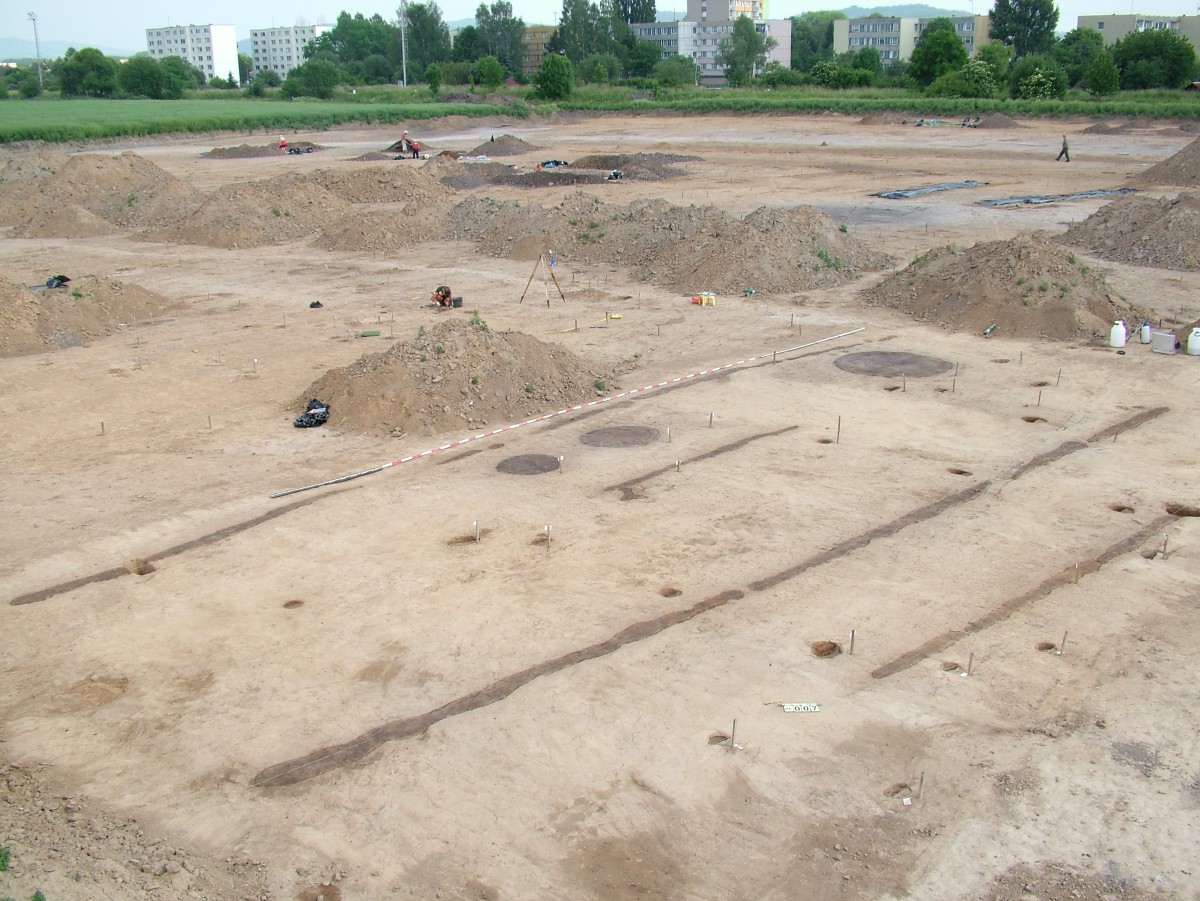
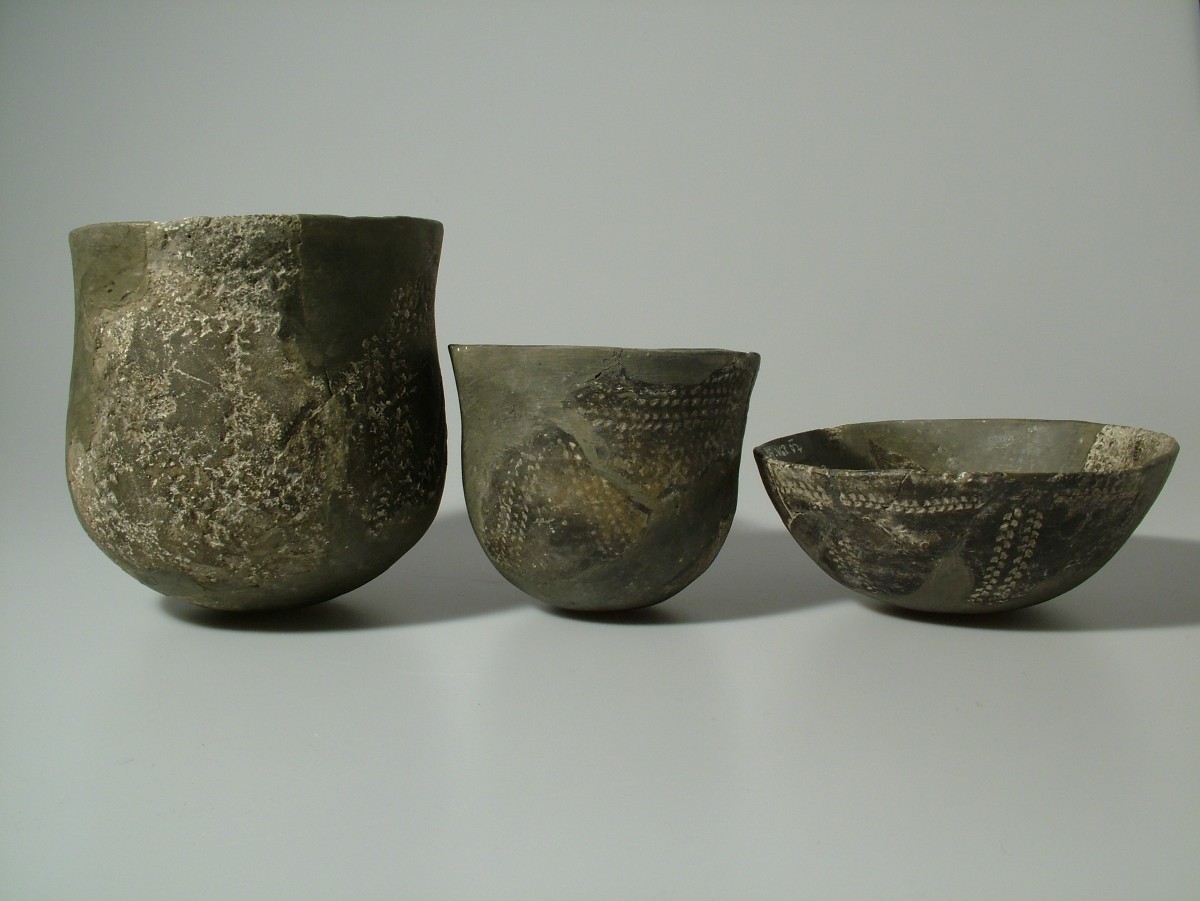
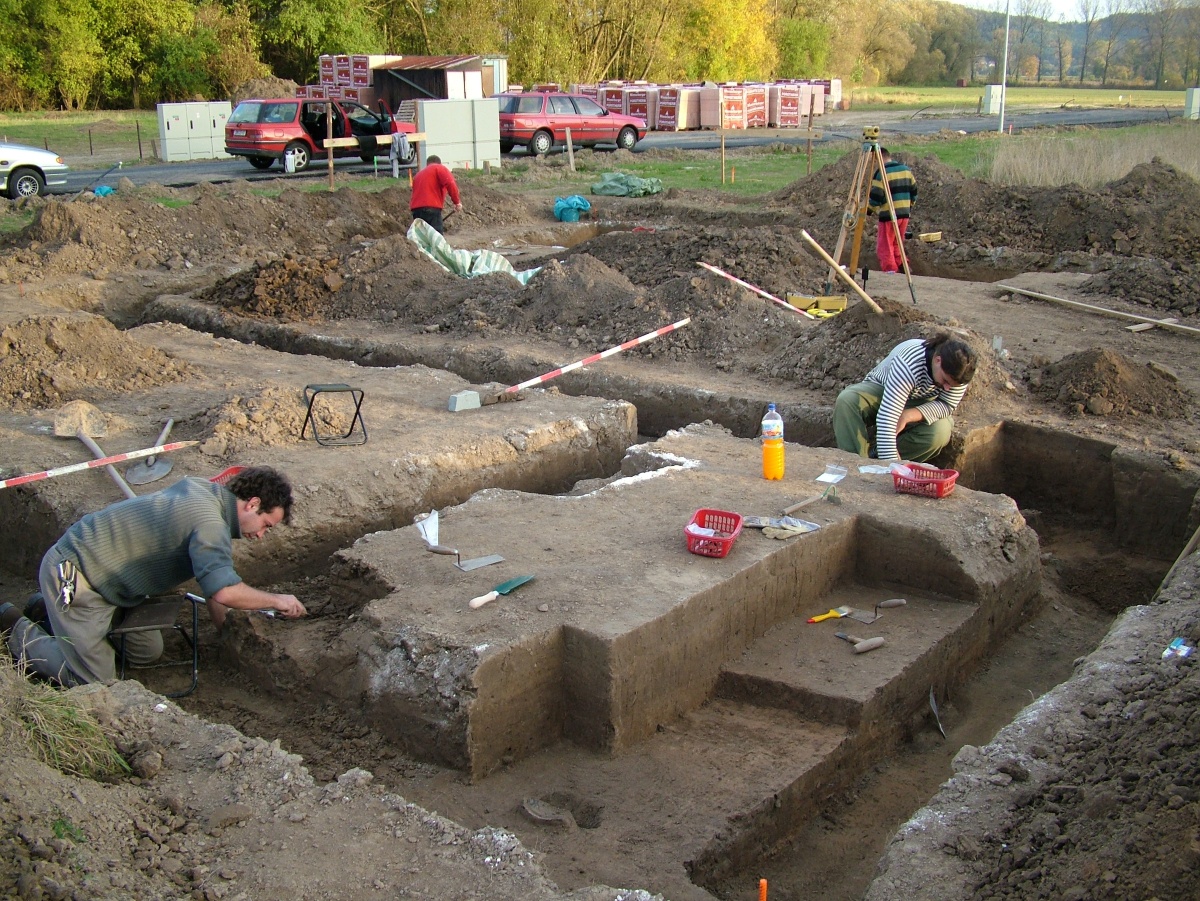
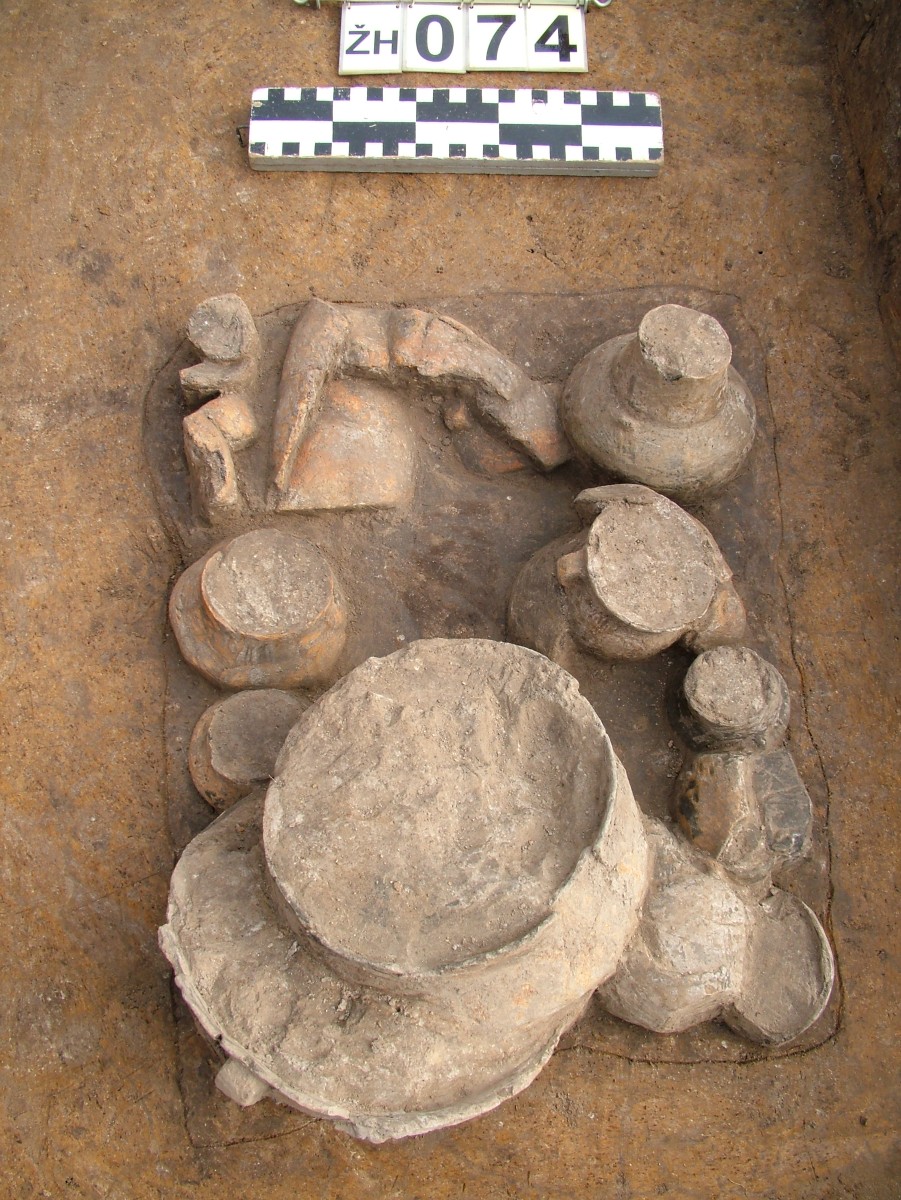
This burial ground, discovered in 2005 and covering an area of at least 10 000 m², is situated on a slightly raised terrace (241–243 metres above sea level) some 300 metres from the Jizera River, on its right-hand bank. Radiocarbon dating has shown that the burial ground dates back to the 10th and 9th centuries B.C., which corresponds to the Silesian phase of the Lusatian Urnfield culture. More than 540 pottery vessels have been documented from 86 graves, mostly containing preserved cremated remains. These artefacts include amphorae, variously shaped pots, cups with decorations engraved inside, flowerpots, bowls and lavishly decorated miniature containers. Other finds discovered in the graves include shamanic rattles with clay balls inside, flat target-like lids and other objects. Besides skeletal remains, one urn also contained 6 miniature ceramic tetrahedrons, around a centimetre high. A unique pyre for burning the dead was even found on plot no. 406/35. This find enabled researchers to reconstruct the local burial rite for the very first time.
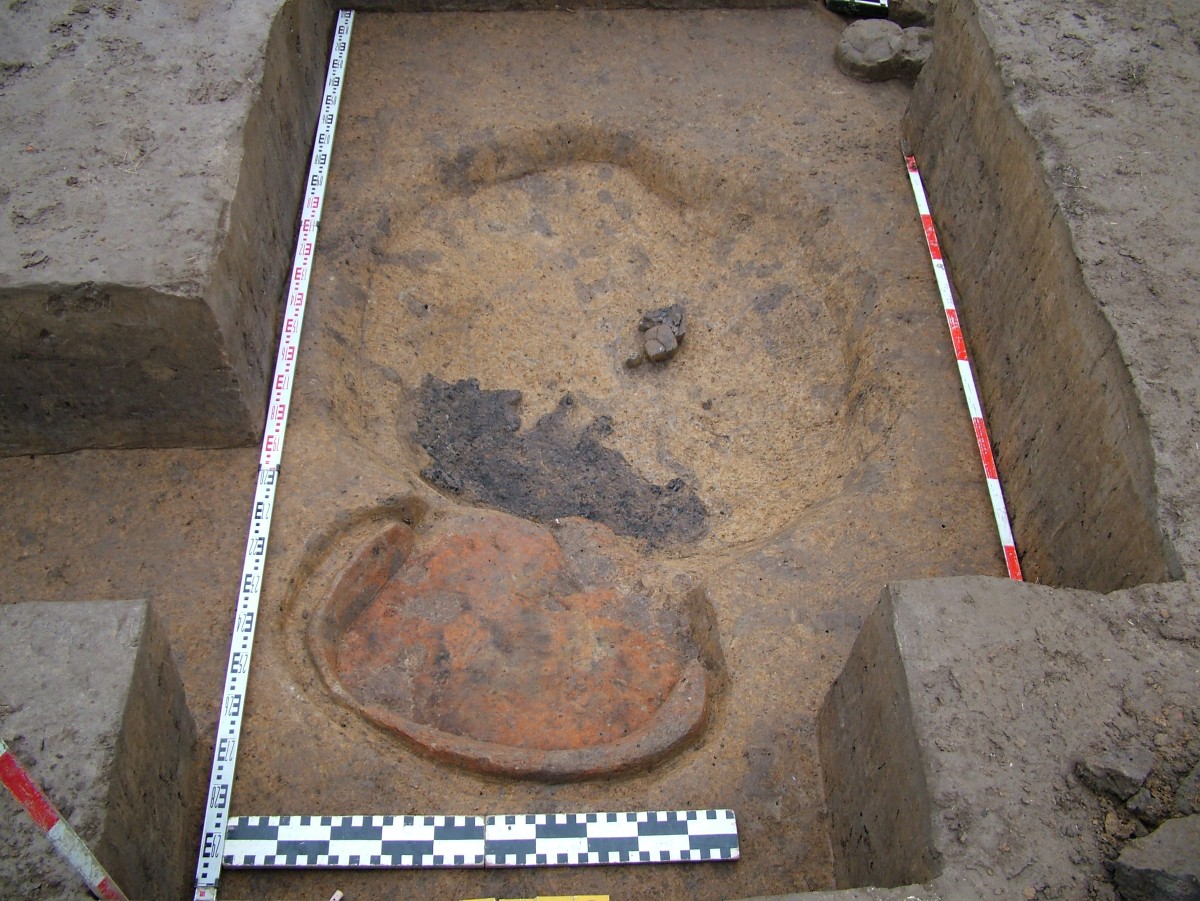
Village of the first farmers (4,900–4,650 B.C.)
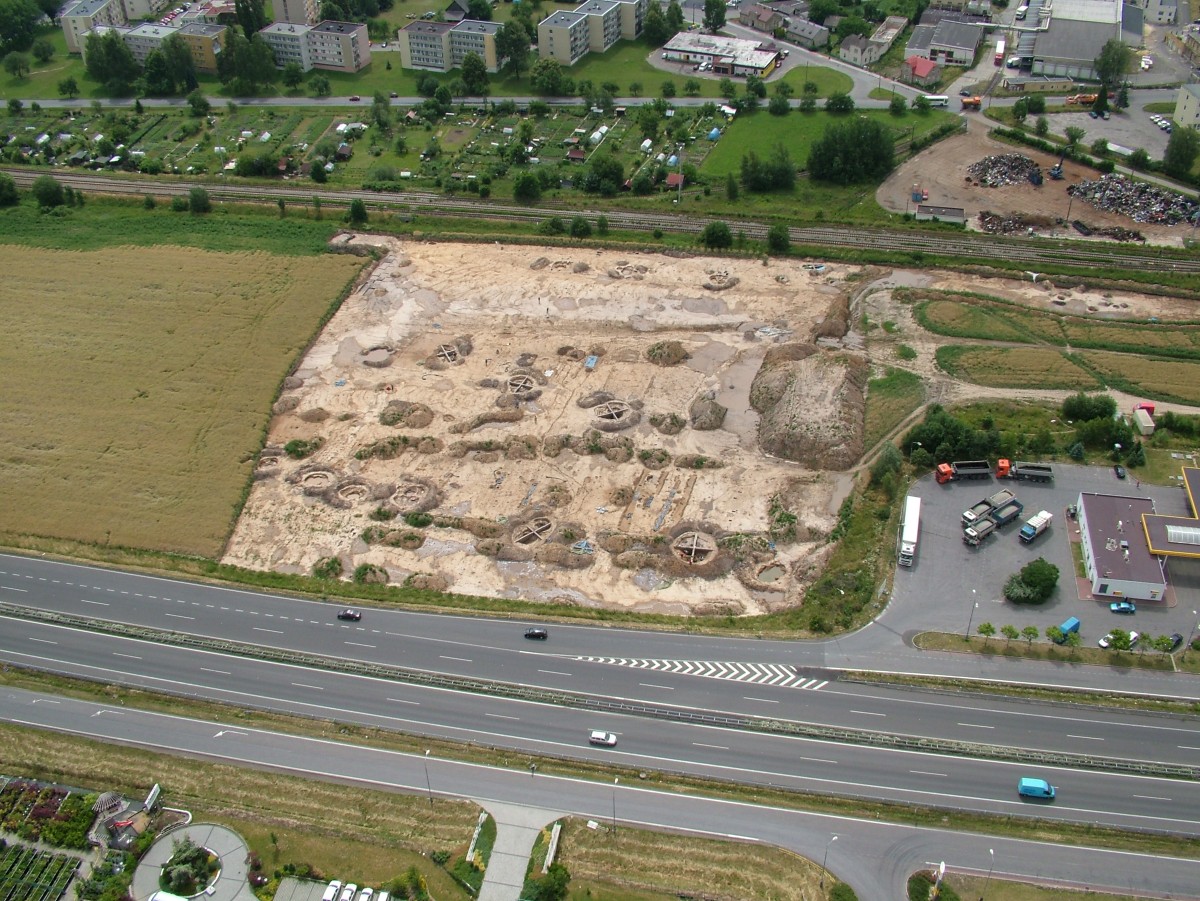
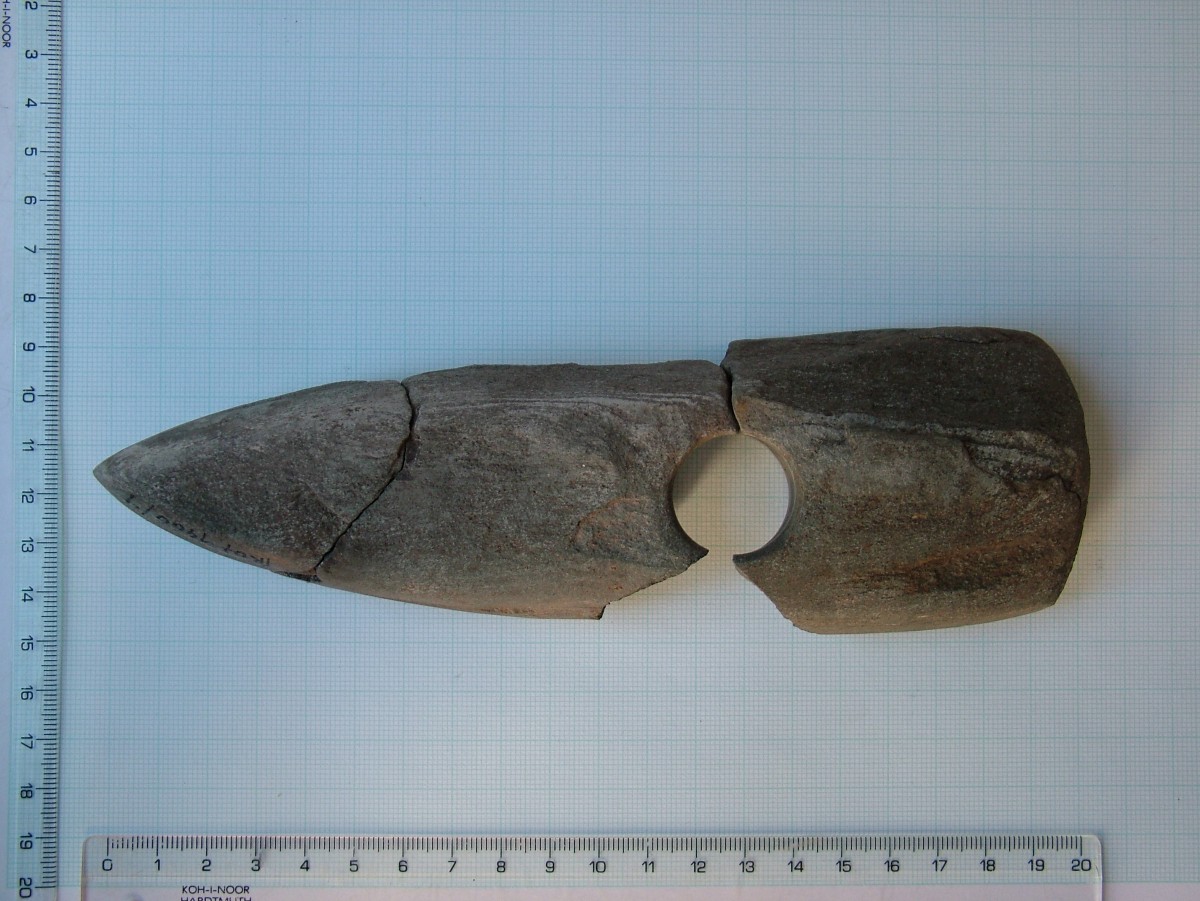
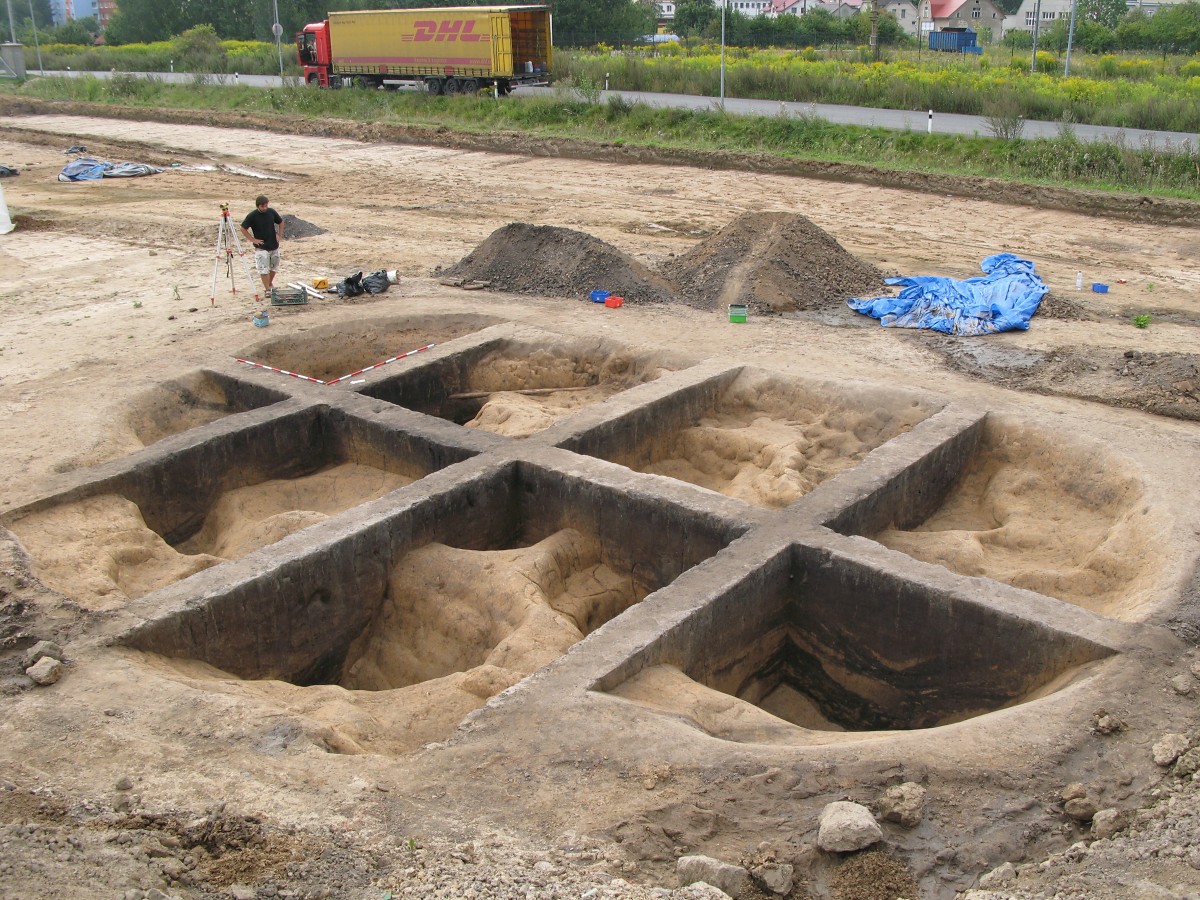
An archaeological survey succeeded in uncovering a completely new and unique part of a Neolithic village, which can be dated to the later phase of the Stroke-ornamented ware culture. This was the era of the first farmers, who settled here almost seven thousand years ago. The largest documented objects found here include twenty prehistoric elliptical pits in three rows. They ranged from 5 to 10 metres in diameter and were a maximum of two metres deep. The outlines of seventeen regularly arranged dwellings, in various states of preservation and ranging in size from 6 × 9 to 8 × 20 metres, were found near these pits. No other such find has been discovered in the Liberec region or elsewhere in the Czech Republic. The excavations uncovered dozens of hearths, the ruins of a furnace, dozens of fragments of chipped axe scraps and more than 2,000 pieces of waste discarded from chipped industry, often flint. They also yielded a number of grinders and grindstones used to make tools, as well as lower and upper millstones for making flour or flatbread. By panning clay samples from the prehistoric pits through various sieves, the archaeologists were even able to find charred grains and the first peas or strawberry plant leaves.