Folk architecture in Příšovice

There are several buildings of historical significance in Příšovice. Let´s mention the farmsteads Bičík, Holan, and Mašek.
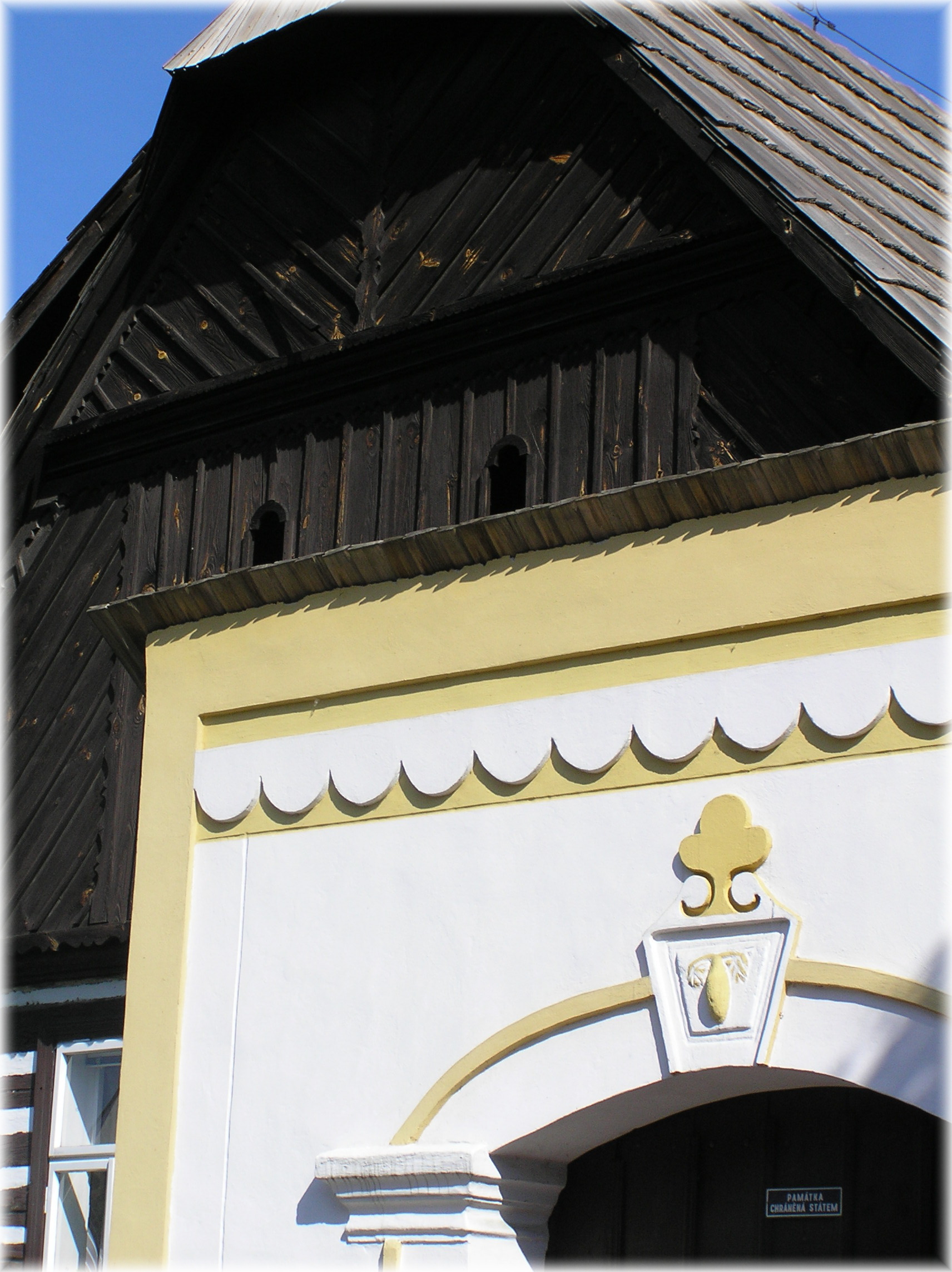
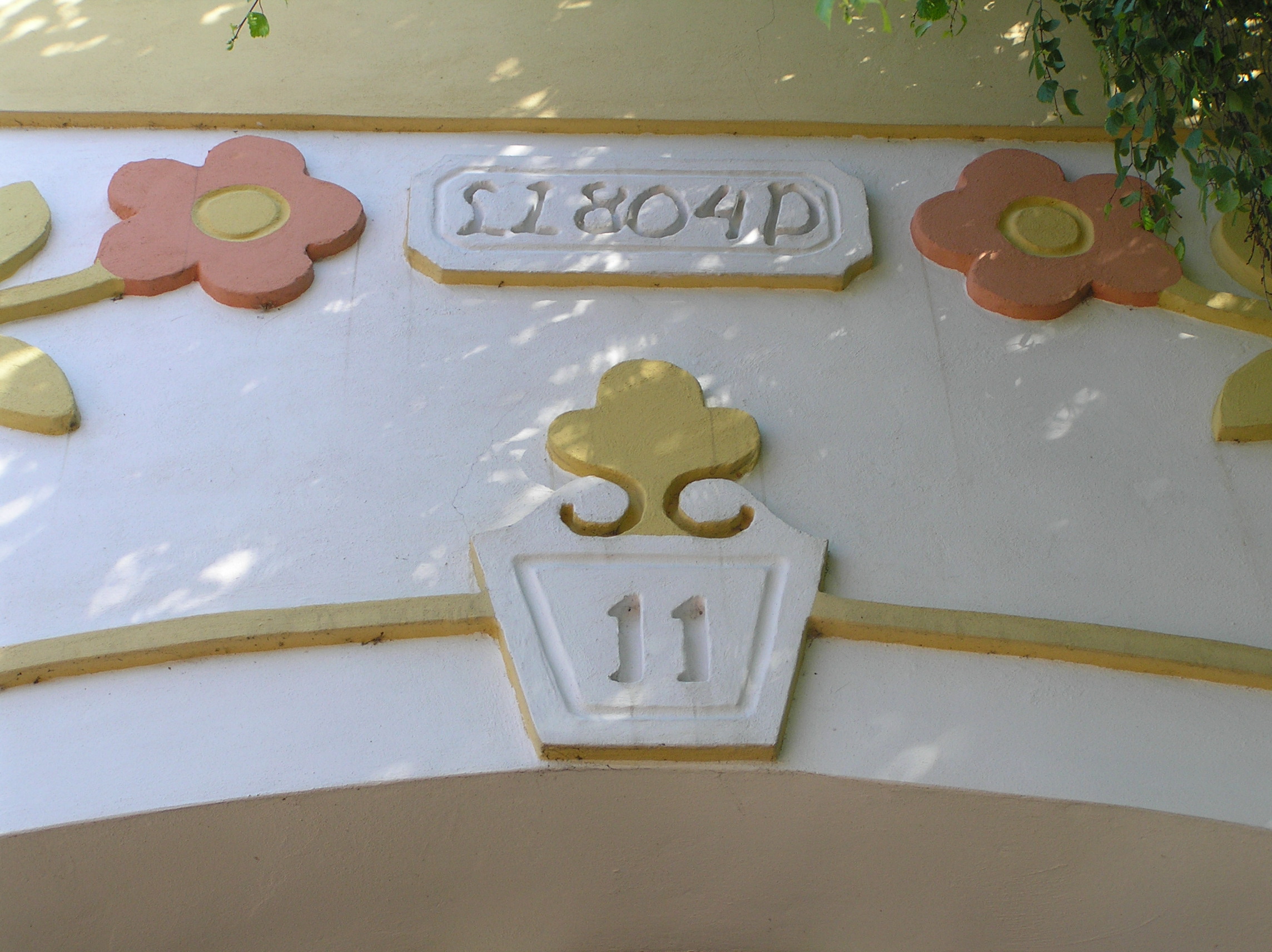
Farmstead Bičík at no. 11
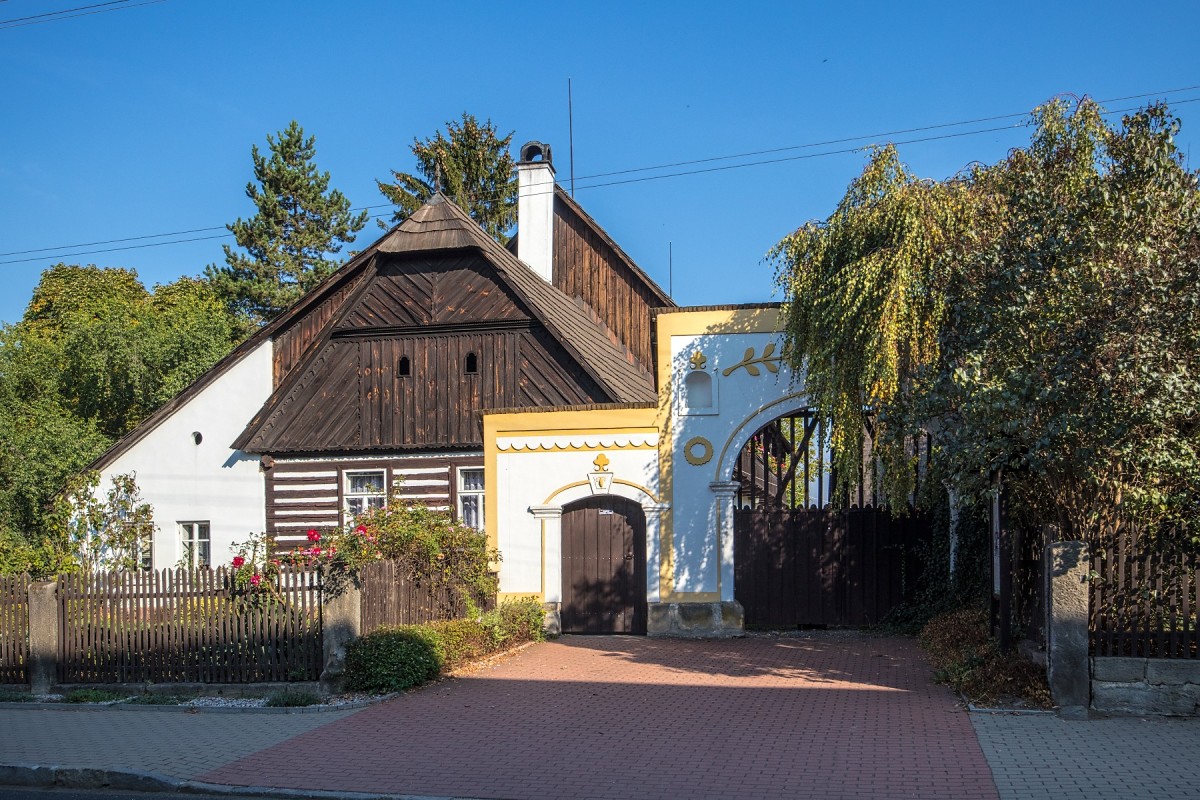
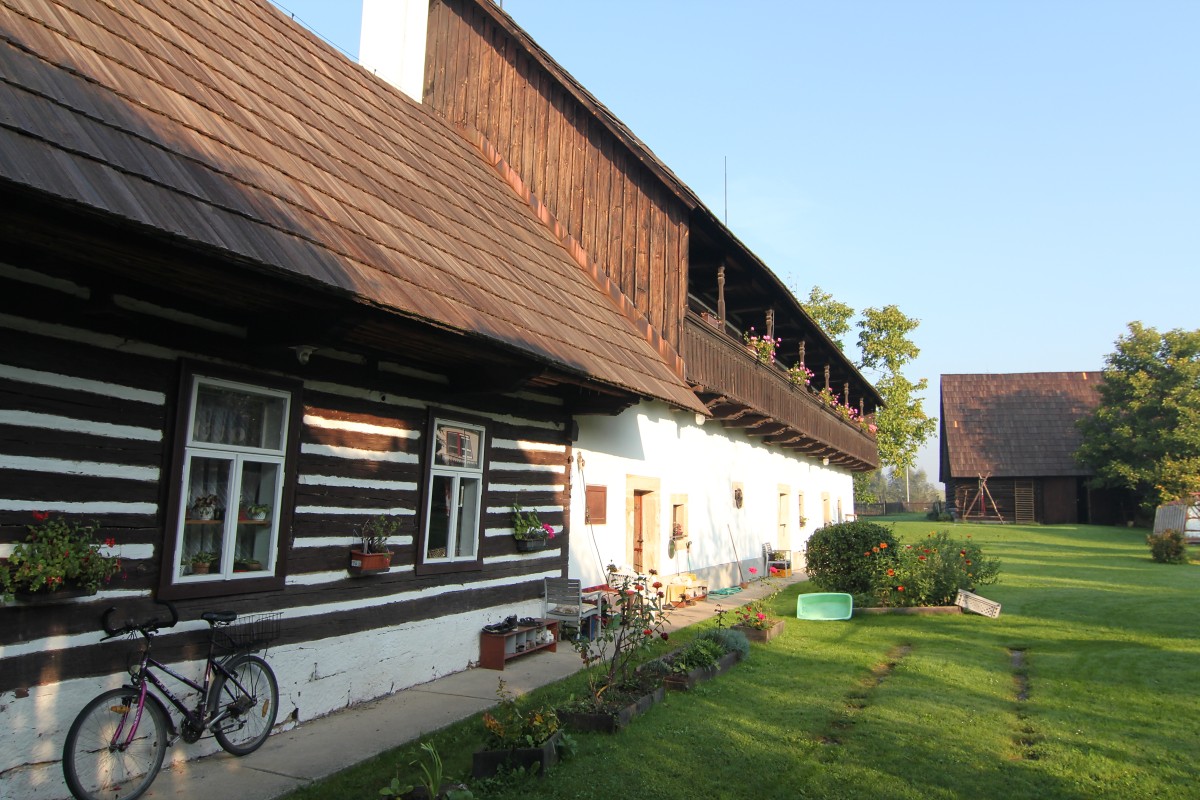
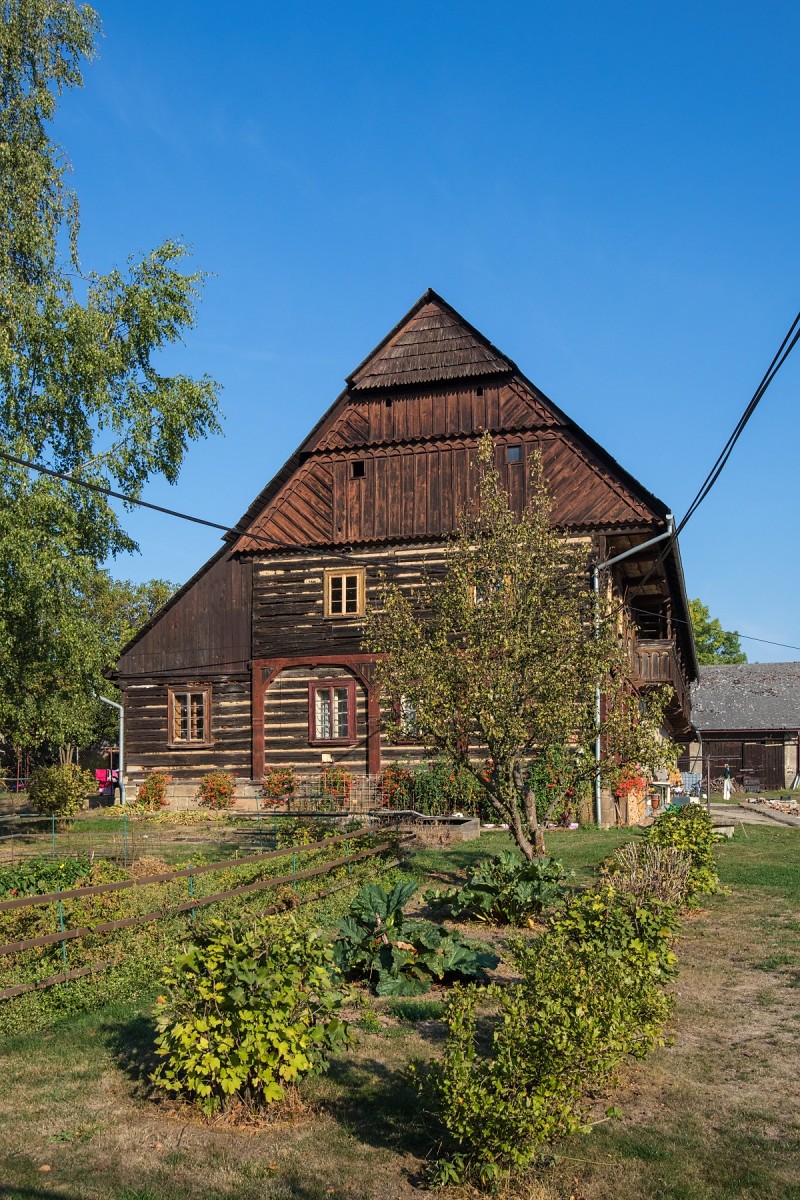
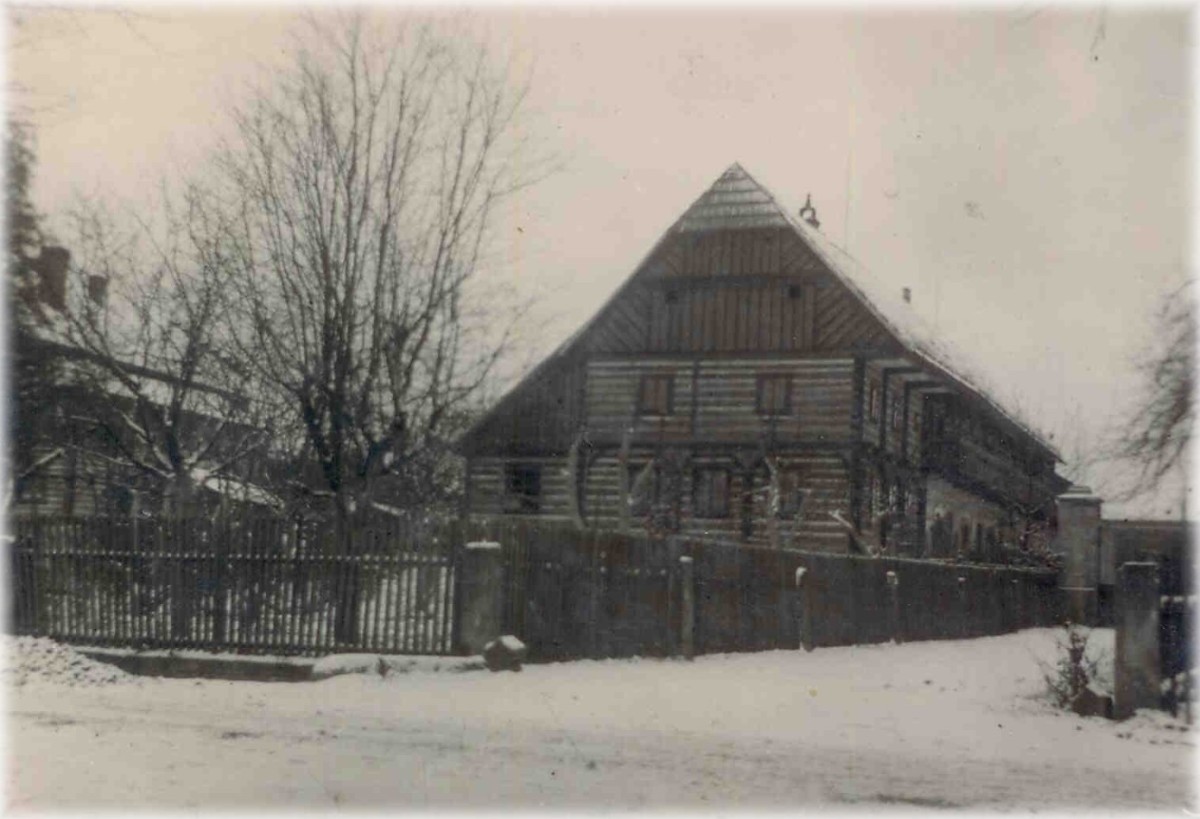
The Bičíkův statek farmstead in the centre of Příšovice is a fine example of the Jizera region’s folk architecture. Its authentic interior and exterior are very well preserved in the layout characteristic for the region, with a ground-floor residential part and the first floor used for farming purposes.
A farmstead was built on this site before 1600 and back then it was worked by the Bičík family. The last farmer was Václav Bičík, who sold the house to the municipality of Příšovice in 1984. His son, Ing. Václav Bičík, then also donated the land belonging to the farmstead to the municipality in 1999.
The farmstead is now one of the main landmarks in the village and is a state heritage site.
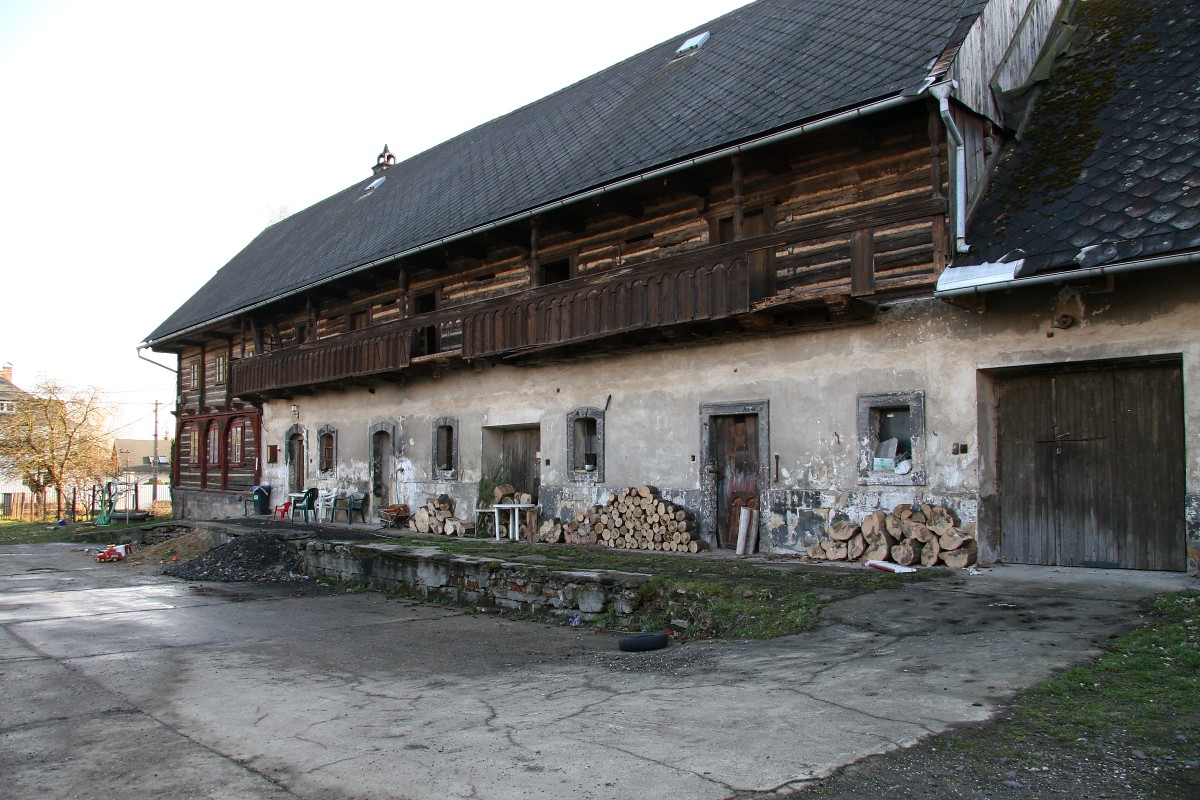
The house itself has a long rectangular ground plan, with the timbered residential part facing the street, connected to a brick section with vaulted barns used for farming purposes. The upper storey is completely timbered and the rooms are accessible from the outside porch. A wooden room was later built onto the gable wall on the ground floor.
The building has a gable roof covered in shingle, with an asymmetrical overhang over the side skylight at the front. The main gable end ends in a small shed with a small round cupola. One distinctive feature of the roof is its chimney topped with sandstone. The rear gable of the house is covered by simple overlapping planks with two decorative ventilation holes.
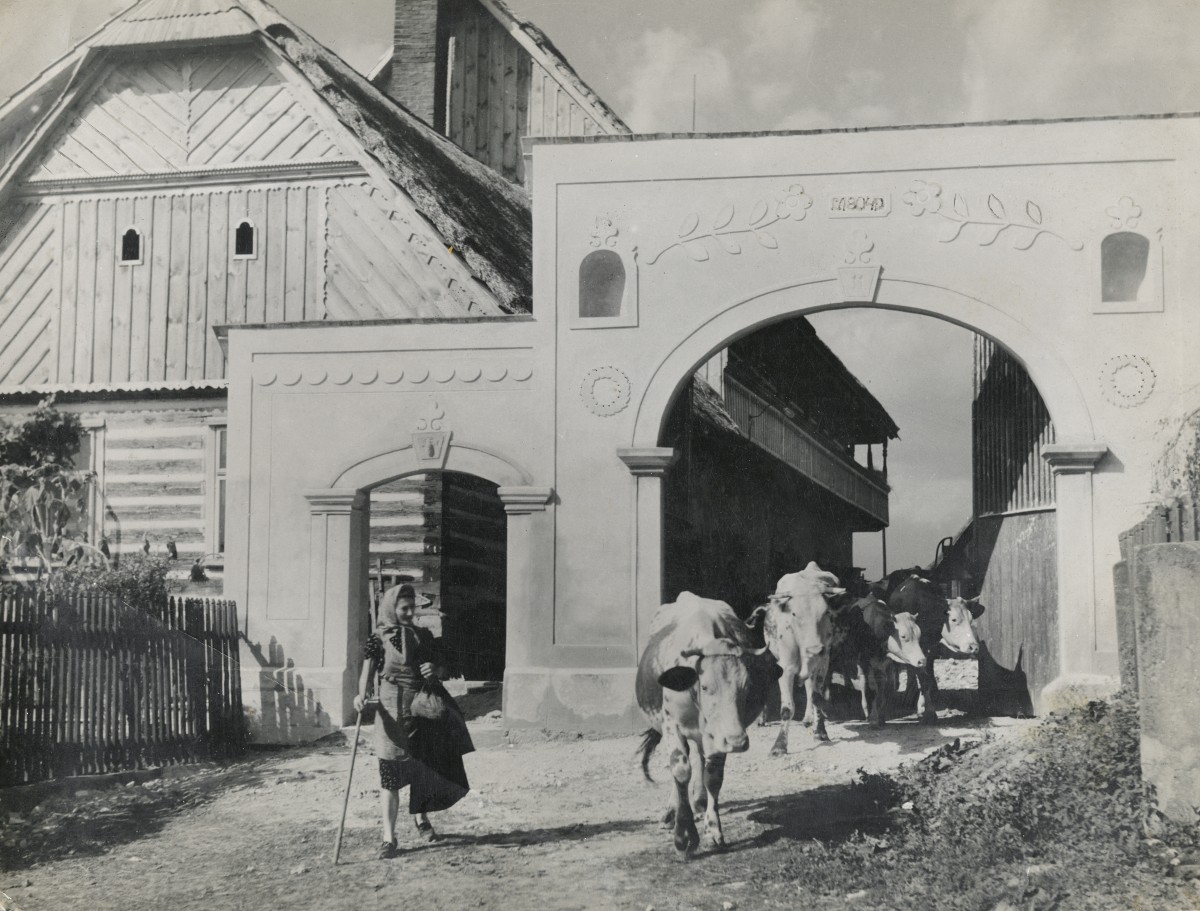
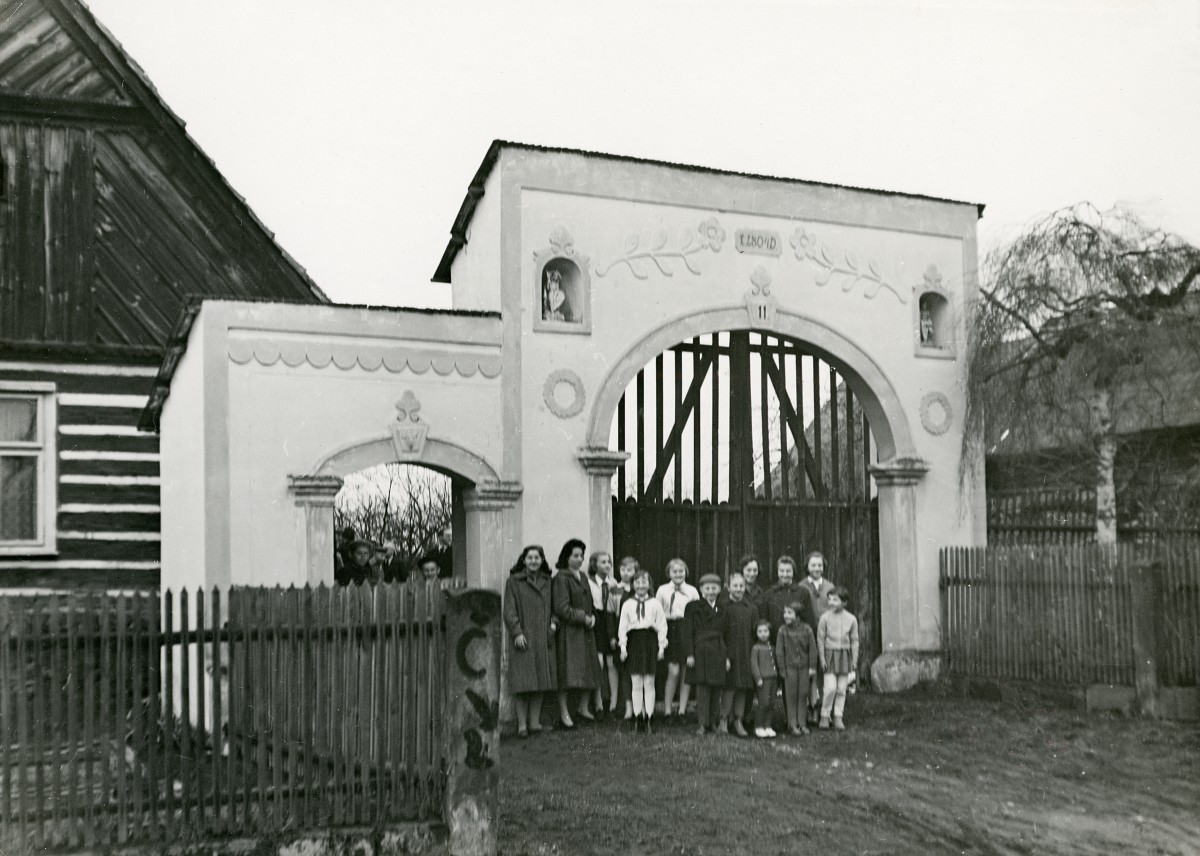
There has been a brick ornamental gate at the entrance to the farmstead since 1804.
The originally transverse open-ended wooden barn with its high gable roof, which probably dates from the turn of the 18th and 19th centuries, is of extraordinary value. It has the traditional layout with a threshing floor in the middle and two side struts. On the south side, it has an extension containing the stable, connected by a shed roof. The timbering stands on a sandstone base; the gables are made from simple vertical planks.
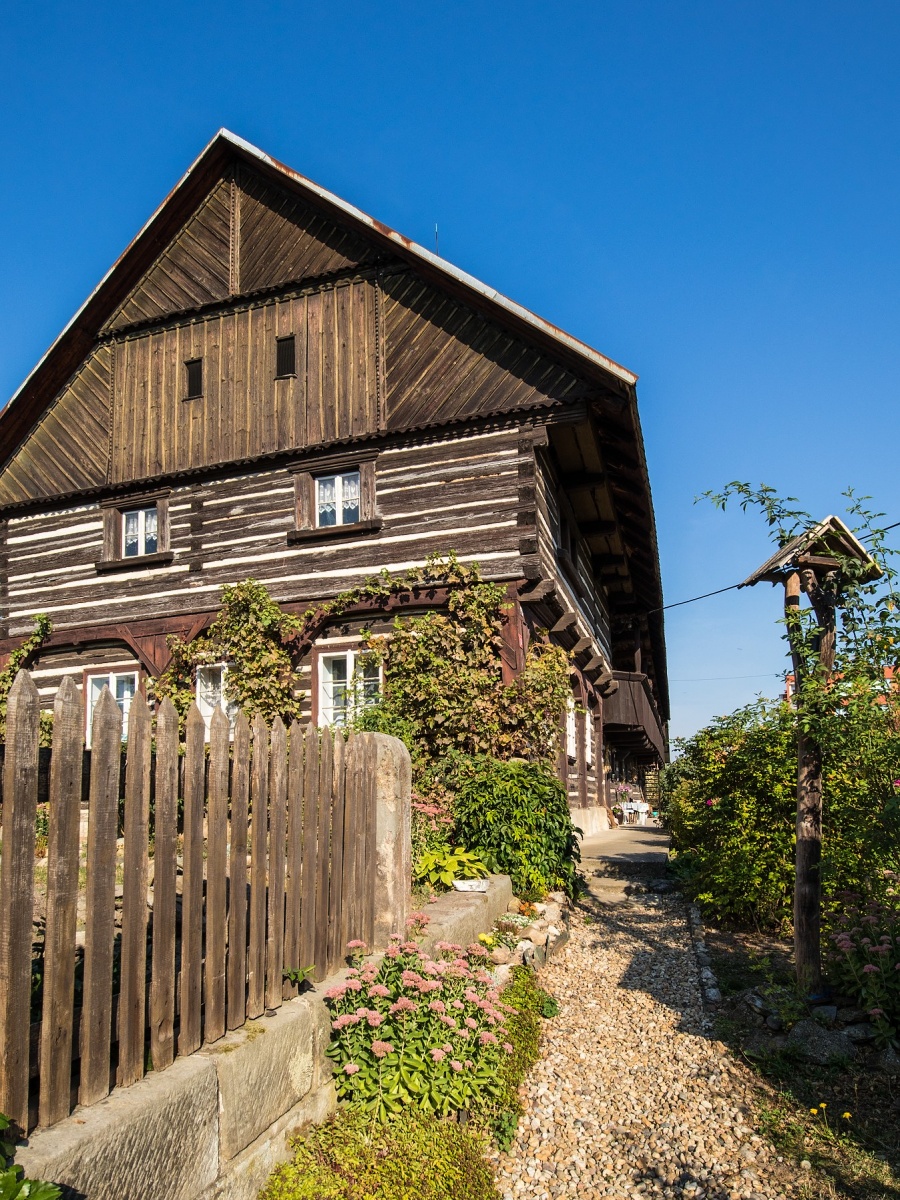
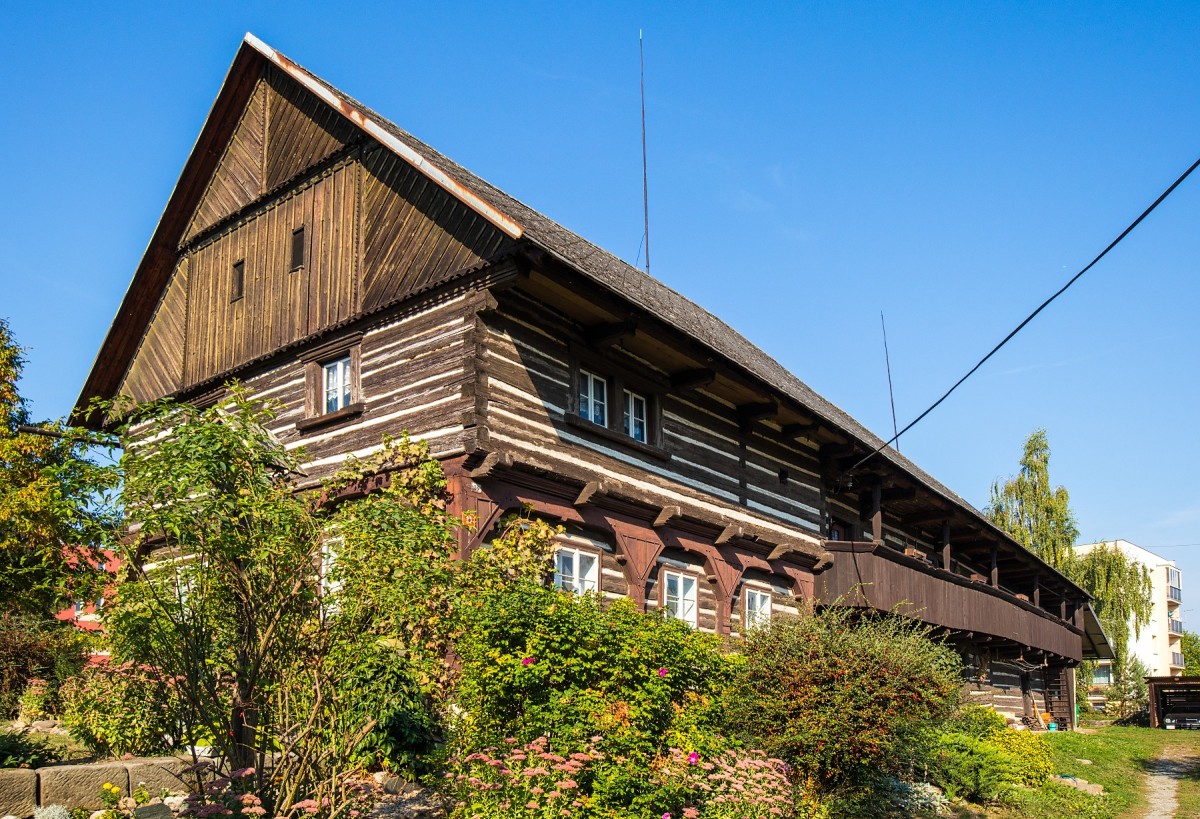

Holánův statek farmstead at no. 23
Holánův statek farmstead, which now looks somewhat out of place in the grip of a housing estate, used to be the focal point of one of the wealthiest farms in Příšovice. It is a typical example of the folk architecture of the Pojizeří region. It is also interesting for the fact that we have a detailed history of its owners.
The first recorded owners of the farmstead were the Nohýneks, namely Jiří Nohýnek, who spent a long 52 years farming there from 1559, after which he passed the farmstead on to his son Jan. When Jan died, his widow Dorota married another Jan, this time the son of a bailiff from Žďár, whom everyone called Žďárský. This tells us, amongst other things, how certain Czech surnames originated. Apart from a short break, the Žďárský family farmed the land there for three hundred years. During that time the farm underwent a number of changes and a residential house was built sometime around 1800, which we now know as Holánův statek farmstead. Although it would be more fitting if the house bore the name of the family with whom it was most associated – Žďárský – this was not the case. This was due to the events of the First World War, in which the heir to the farmstead was killed - Václav, born in 1896. The property thus passed to his sister Anna, who married Emil Holán of Paceřice.
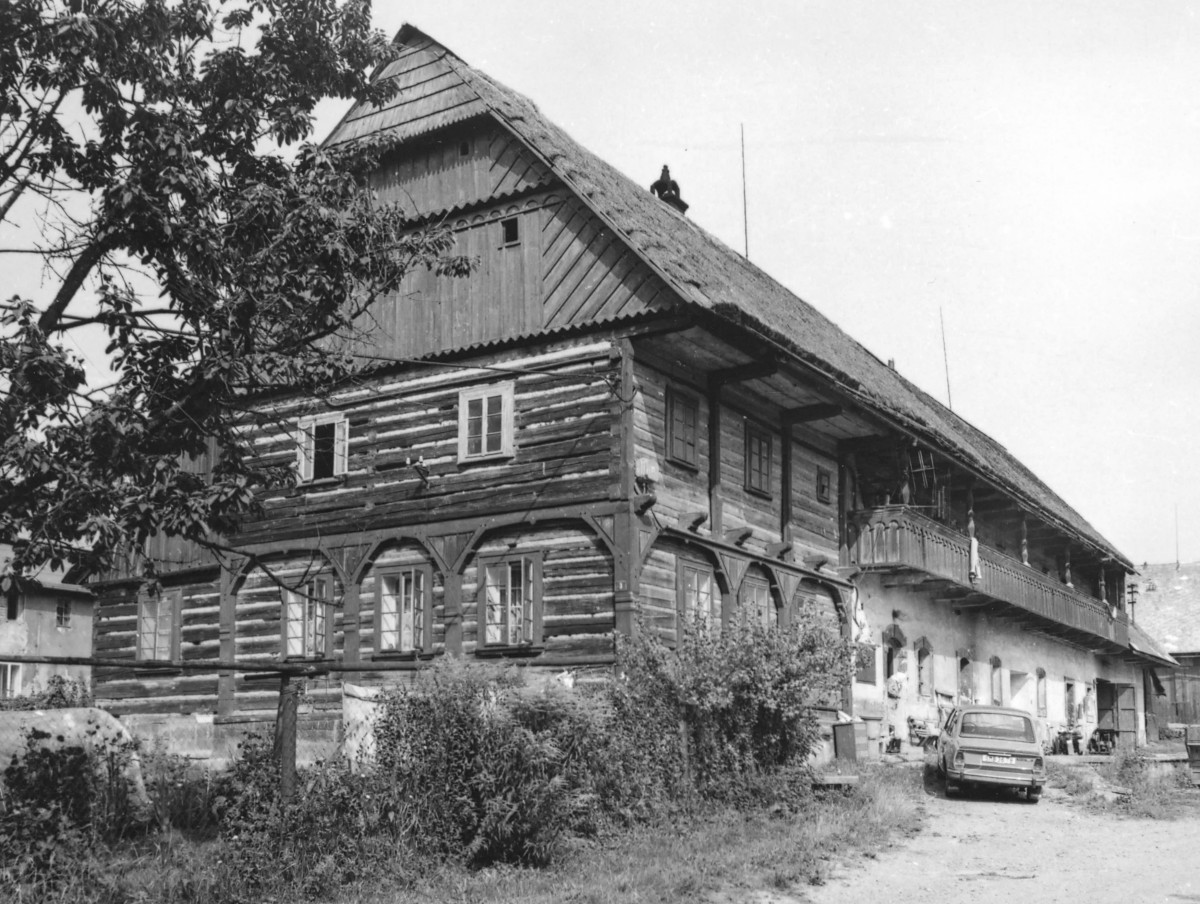
Holánův statek is a large farmstead typical of the Pojizeří region – it has a timbered residential part at the front and a brick rear part with farm sheds. The usual ground-floor layout of room –entrance hall – barns is complemented by a living area on the first floor, held up by what are known as Czech stands. In the 1970s the house was almost demolished to make way for the housing estate, but was saved by the stubbornness of its then owner. It did, however, lose its barn, garden and acreage.
Holánův statek farmstead, which is privately owned, is listed as a cultural heritage site.
Farmstead Mašek at no. 3
Farmstead Mašek (Maškův statek, chalupa) is situated in the middle of the village, to the north of the road, which the gable faces. It apparently dates from the first third of the 19th century, as is evident from the date on the porch. The stable cadastre lists the homestead in 1843 as a three-sided structure with the main building, a storage room or premises reserved for the retired farmers opposite, and a long rectangular perpendicularly oriented barn.
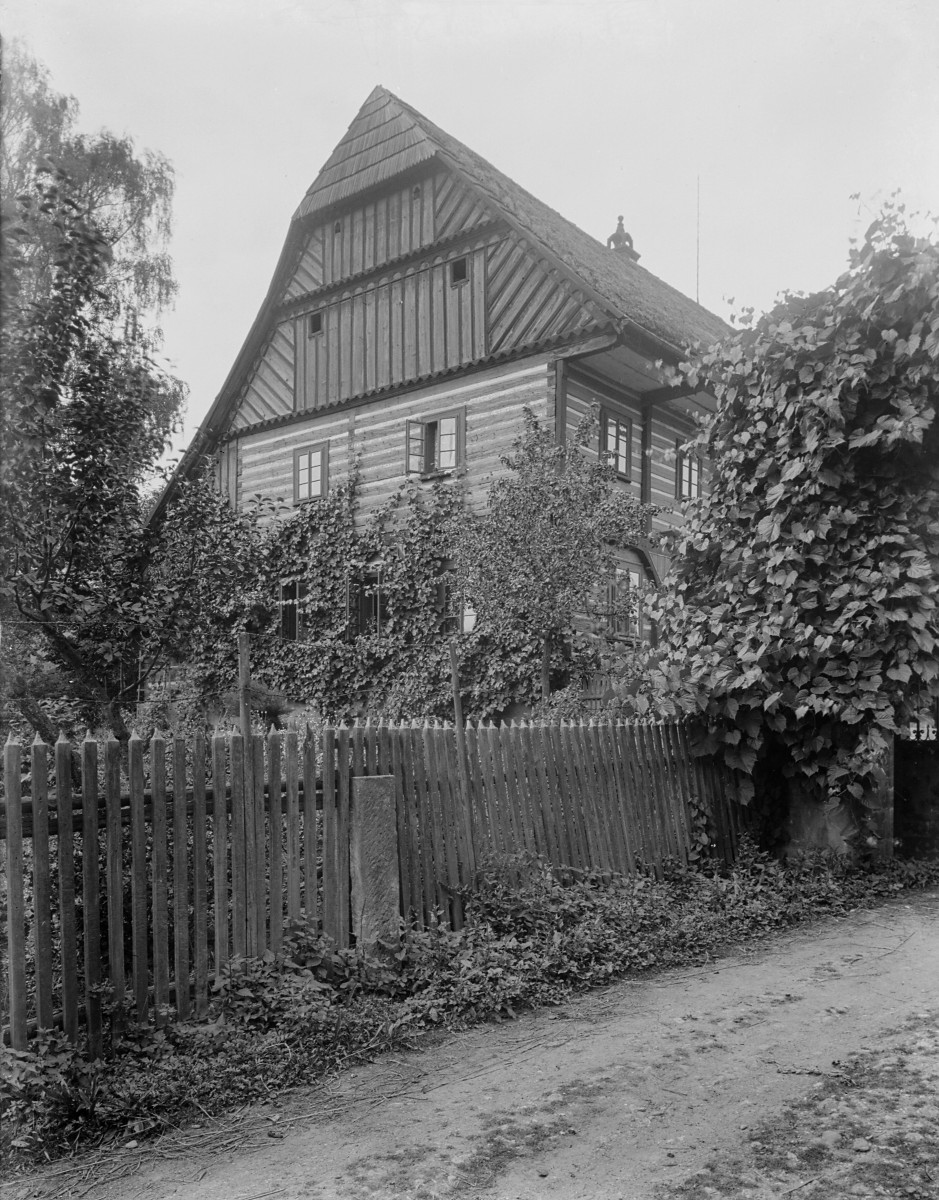
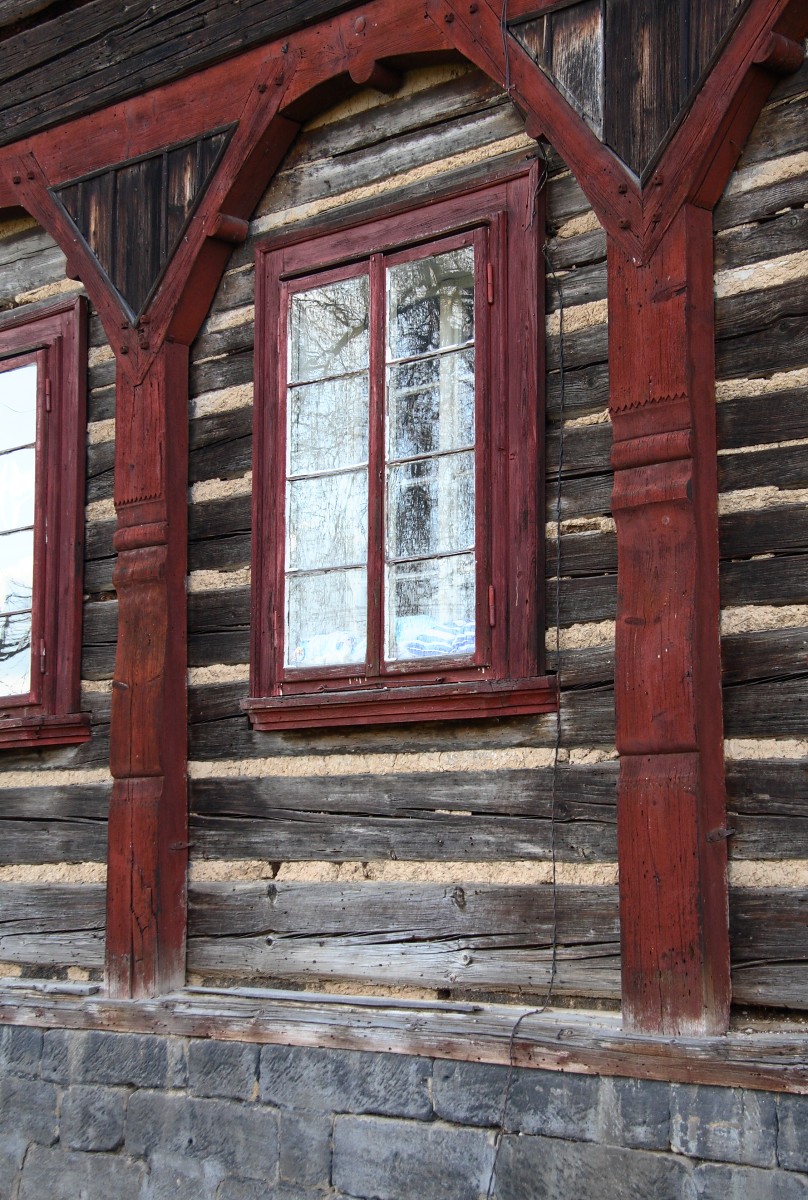
The two-storey house, built on a long rectangular floor plan, is topped by an asymmetrical gable roof covered in fibre cement. The house has the traditional layout with a timbered room with an extension at the side, and a vaulted arched room in the middle that connects to vaulted brick barns on the ground floor. On the first floor, which is fully timbered, there is another room and a series of chambers reached via a long porch. The upper floor is held up by a carved massive stand supporting the ornamented heads of the room’s ceiling beams. The main gable facade is adorned with an elaborate boarded gable divided into two floors and topped with shingle tiles. The boarded gable was completely renovated in the second half of the 20th century. The house has its original historical windows, with eight and six panes in ornately profiled chambranes. The protruding ceiling beam of the porch bears the inscription: “Ano 1818” – [built] in 1818. The building is one of the largest and grandest farmsteads in the Pojizeří region. The ornamental details of the craftsmanship of the individual elements (the stone jambs, carpentry profiles, chimney cap, etc.) are particularly valuable. The interior and exterior of the building have been preserved in a most authentic state, including the remnants of the original heating system. The house, which is privately owned, is listed as a cultural heritage site.