Jesenný

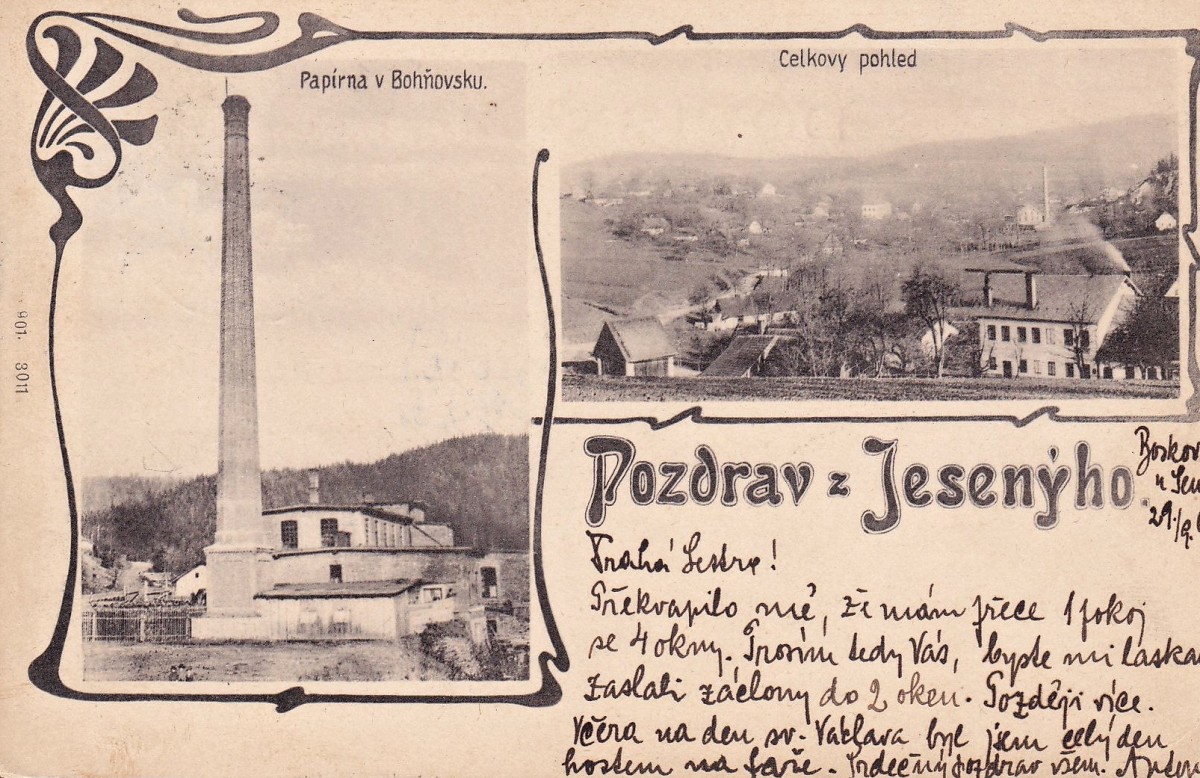
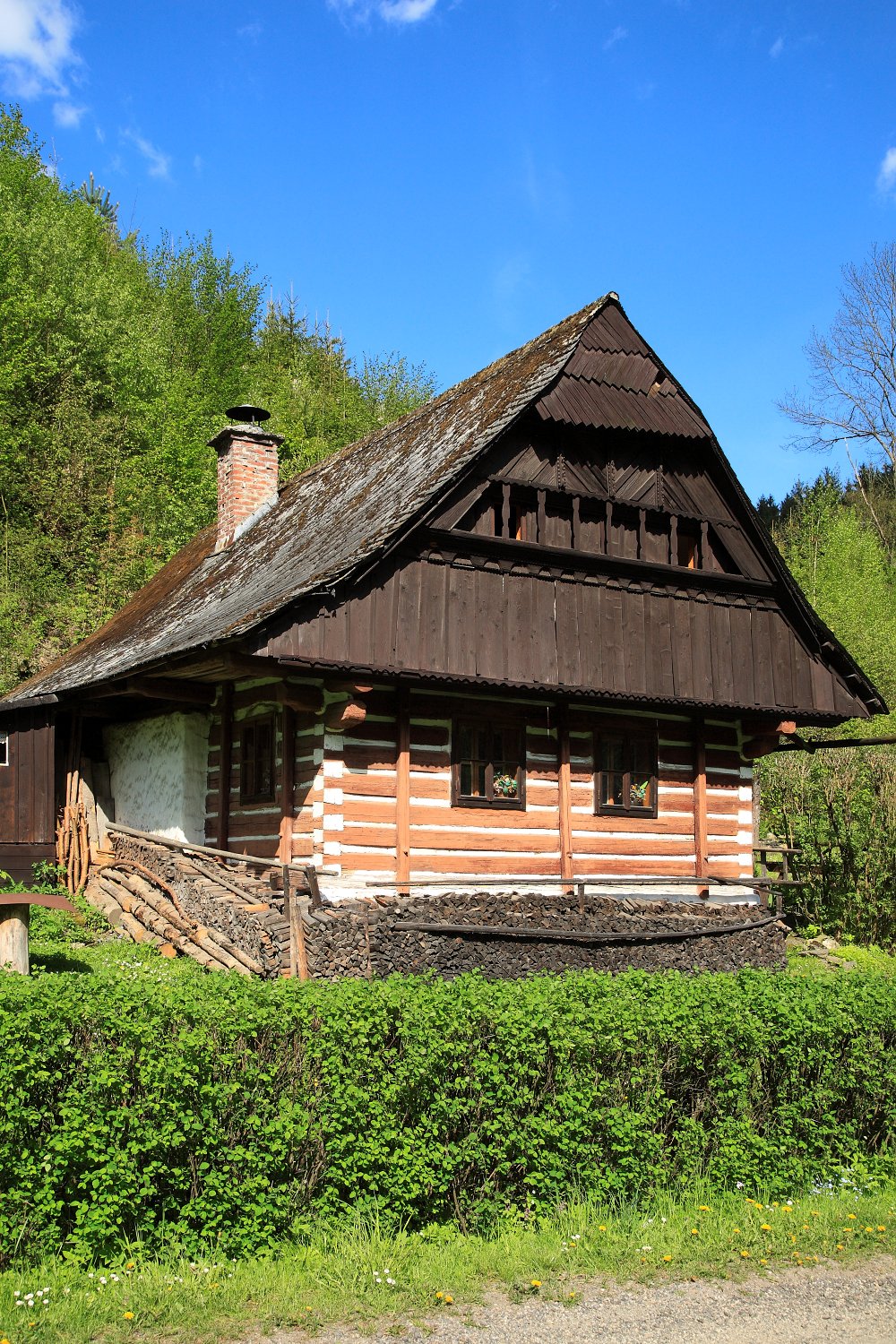
The municipality of Jesenný is situated in the foothills of the Giant Mountains and the Jizera Mountains at a height ranging from 330 to 616 m a.s.l. It lies on the left bank of the little Kamenice River and has two districts– Jesenný and Bohuňovsko. The history of the municipality of Jesenný is closely associated with the mining of raw materials and industry, even though it may not seem so today.
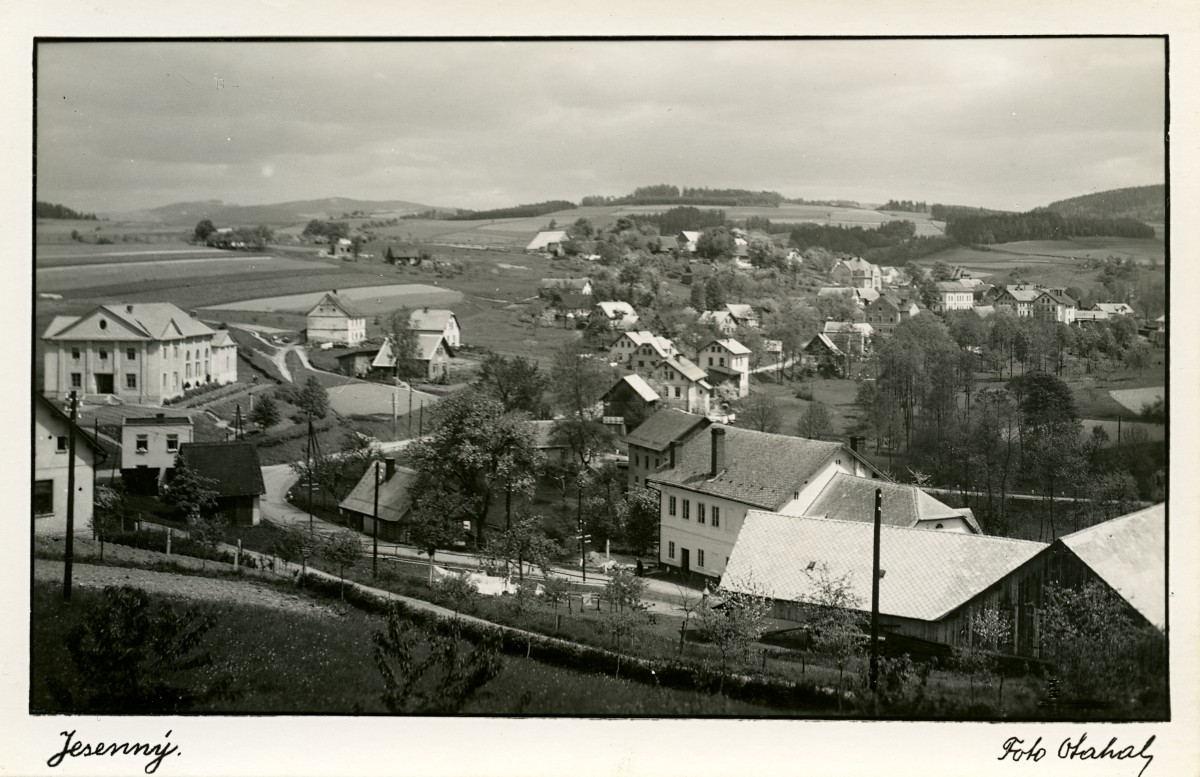
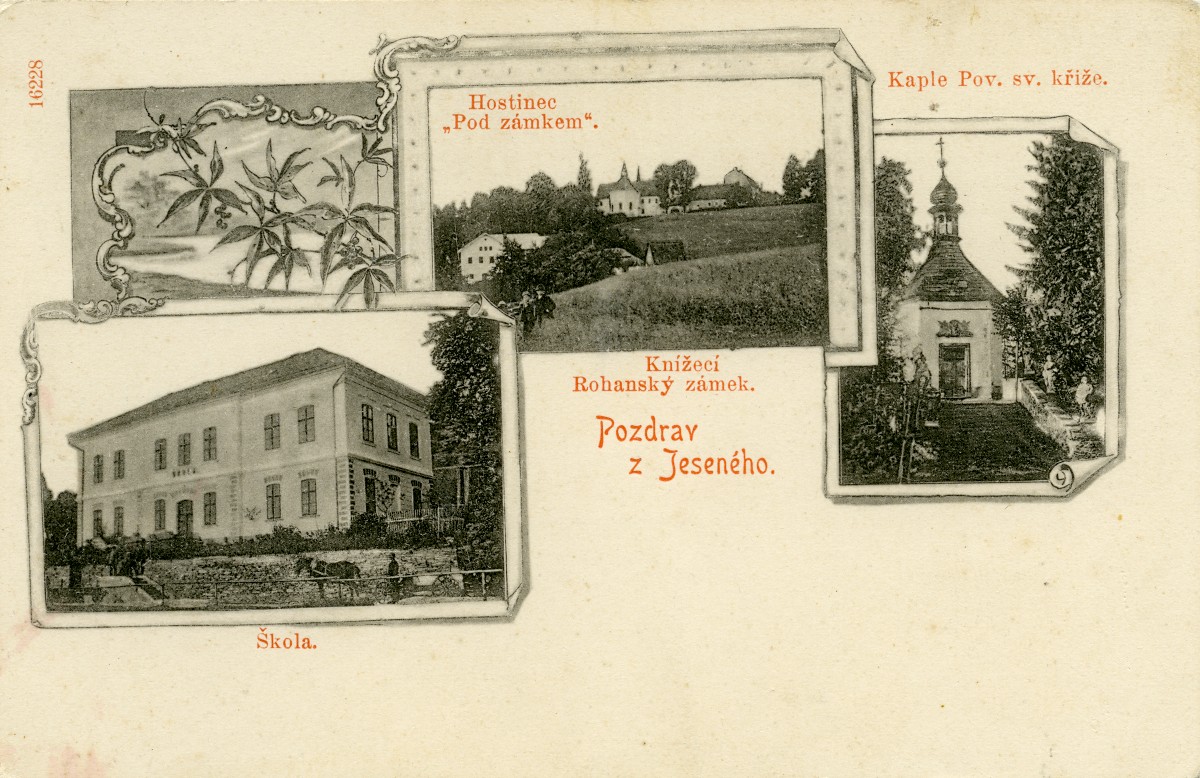
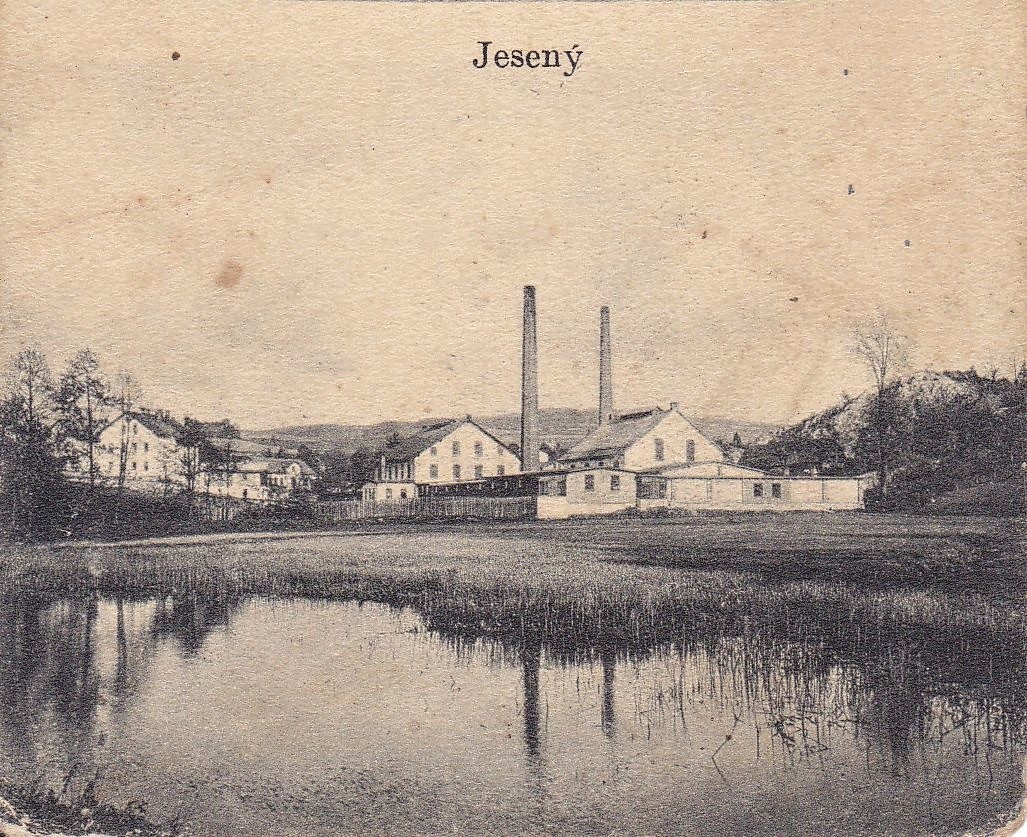
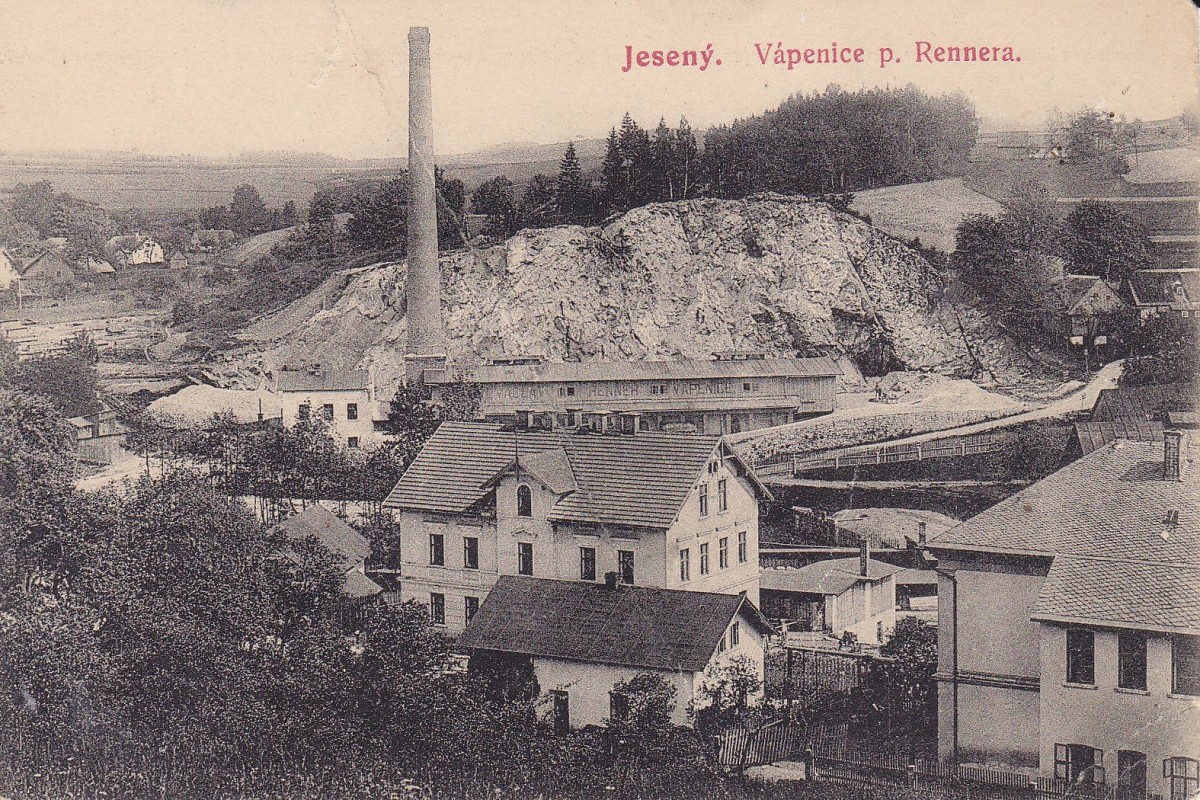
The Village of Jesenný
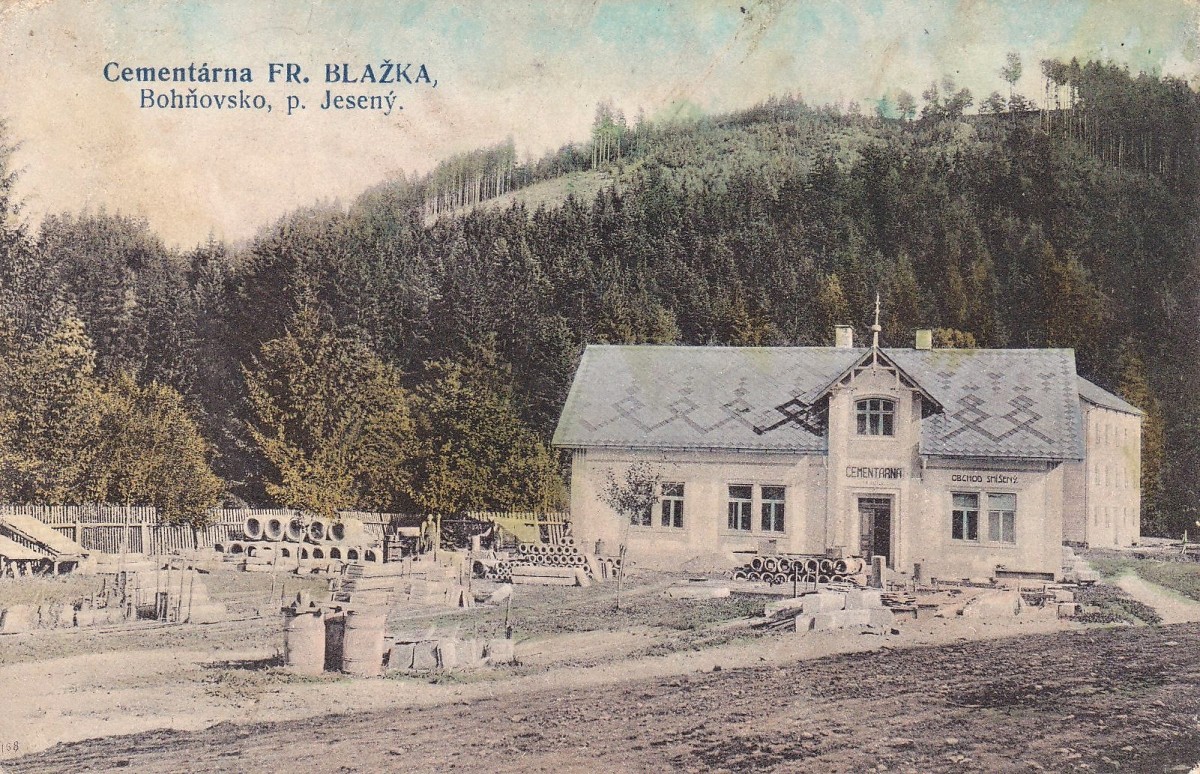
Limestone was quarried in the municipality from time immemorial, by breaking it off from the rock that rose up in the middle of the village. Heavy industrial quarrying began there in 1896 and continued until 1973, when the quarry was flooded. Up to 20 000 tonnes of limestone a year was quarried, used to make lime for the construction and chemical industries. Another limestone plant was built in 1930 near the former chateau and processed limestone mined at the Skalka quarry. However, it was closed down in 1935.
Another raw material mined in the village was cinnabarite, otherwise known as vermilion. The first record of mining dates from 1625, when a 17-meter deep shaft and tunnel were bored near what is now house no. 86. Mining there ceased in 1634 after the death of the mine owner, Prince Albrecht von Wallenstein. It was briefly renewed in the late 18th century. It is estimated that the local mine produced about 300 kg of pure vermilion.
Iron ore was also mined in Jesenný, and an ironworks was even built there. In 1851 Count Rohan had two shafts bored – Adelheid and Kamil. The shaft of the Adelheid mine (now Na Haldě) was 38 metres deep and was mined until 1873 and again in 1911. Approximately 500 tonnes of limonite were mined there during the First World War. Work restarted in 1940, when a new shaft was bored at Adelheid to a depth of 24 metres and both shafts were connected by an underground trench. The shaft of the Kamil mine was located at Na Kozině and was 23 metres deep. Another iron ore deposit mined at this time was near Vošmenda, where three mining shafts were built in 1939–1940.
In 1902 Josef Bachtík’s glassworks began operation in Jesenný, specialising in the drawing of glass rods. The smelter gradually employed as many as 70 workers and produced close to 600 tons of enamel a year. However, the successful development of the glassworks came to an end with the Second World War. The smelter was closed down and a machine tractor station was established in its place in 1954.
Jesenný - Bohuňovsko
Bohuňovsko, one of the two parts of the municipality of Jesenný, is situated in the foothills of the Giant Mountains and the Jizera Mountains at a height ranging from 330 to 616 metres above sea level. The municipality is first mentioned in the written sources in 1492 as part of the Návarov estate. The village lies in the deep valley of the Kamenice River and is surrounded by deep forests. A railway has run along the right bank of the river from Tanvald to Železný Brod since 1875. An ironworks was built in Bohuňovsko in 1799, which processed iron ore mined in the surrounding area for almost a hundred years.
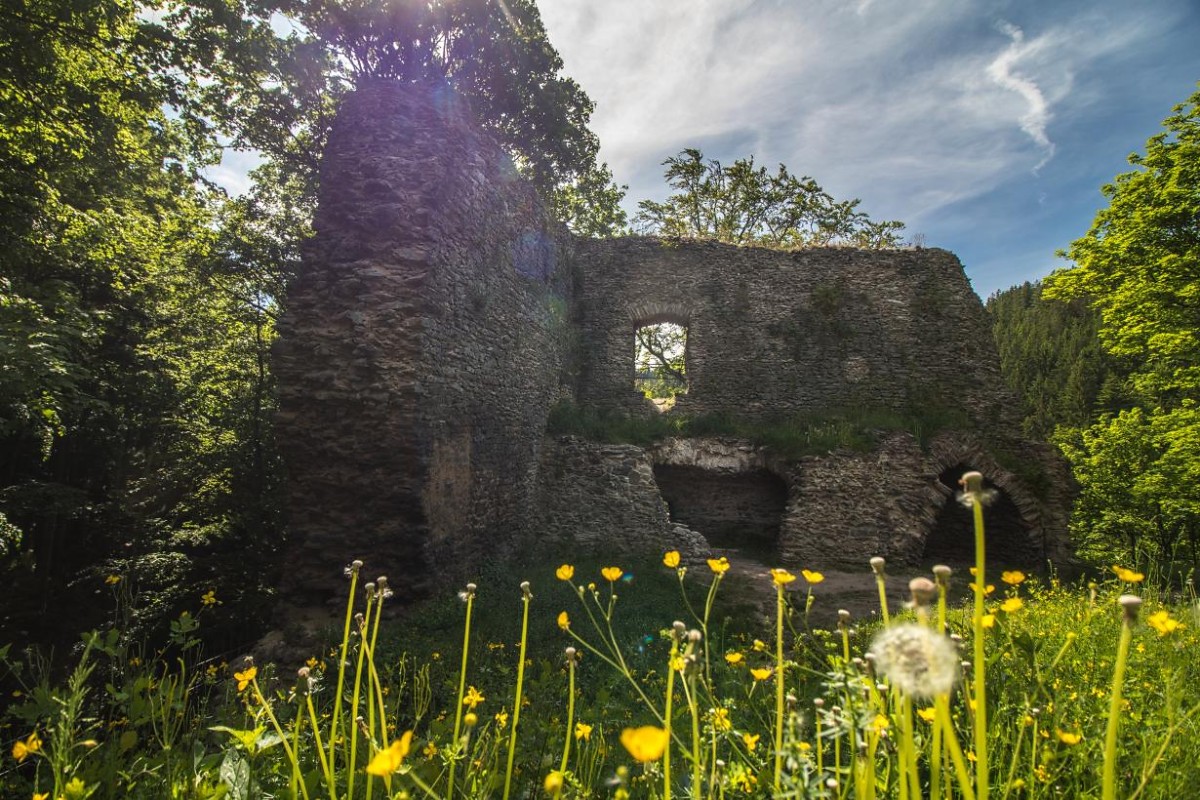
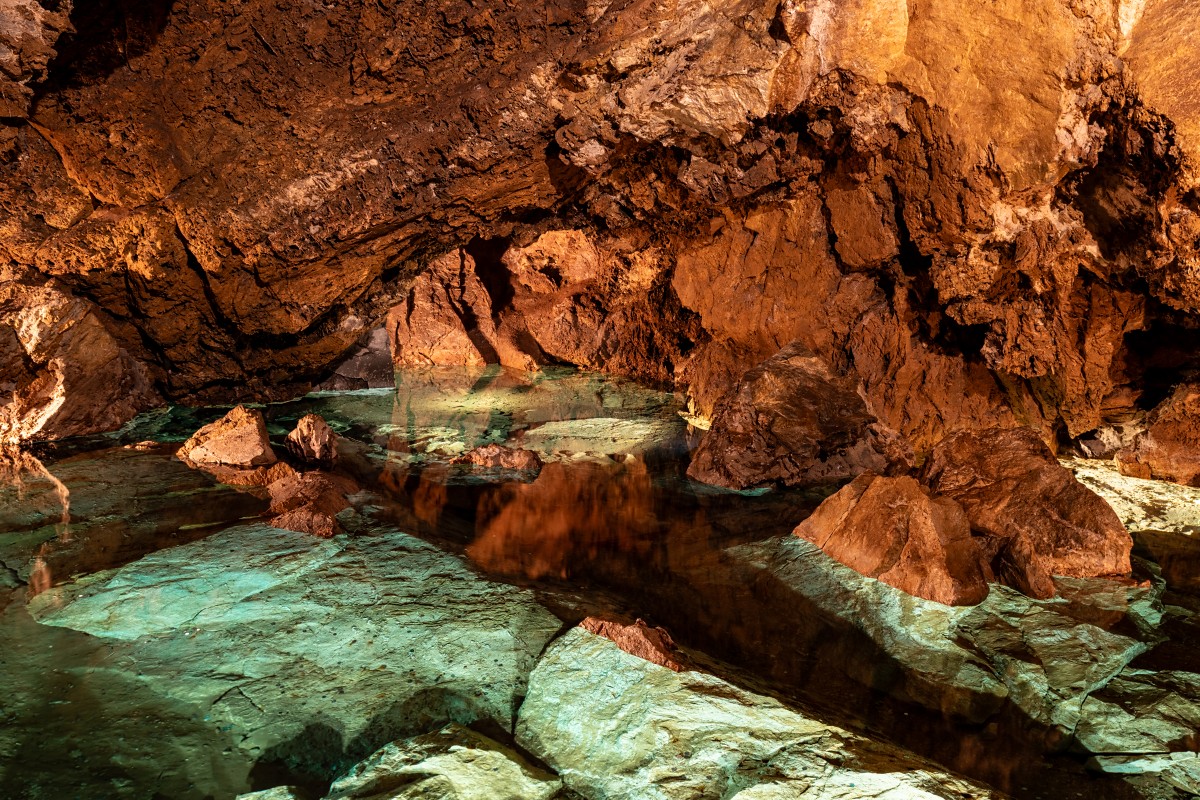
Jesenný is the starting point for trips into the western Giant Mountains and the eastern reaches of the Jizera Mountains, and leading through it are marked footpaths and biking routes to Semily, Bozkov, Železný Brod and Vysoké nad Jizerou. The Palacký hiking trail runs through the valley of the Kamenice River, leading north below the ruined castle of Návarov and on to Tanvald. At the confluence with the Jizera River in Podspálov it connects to the Rieger Trail to Semily. The ruins of Návarov castle and Bozkov Dolomite Caves are popular attractions in the area.