Libštát

Libštát is situated in the foothills of the Giant Mountains at a height of 364 m above sea level.
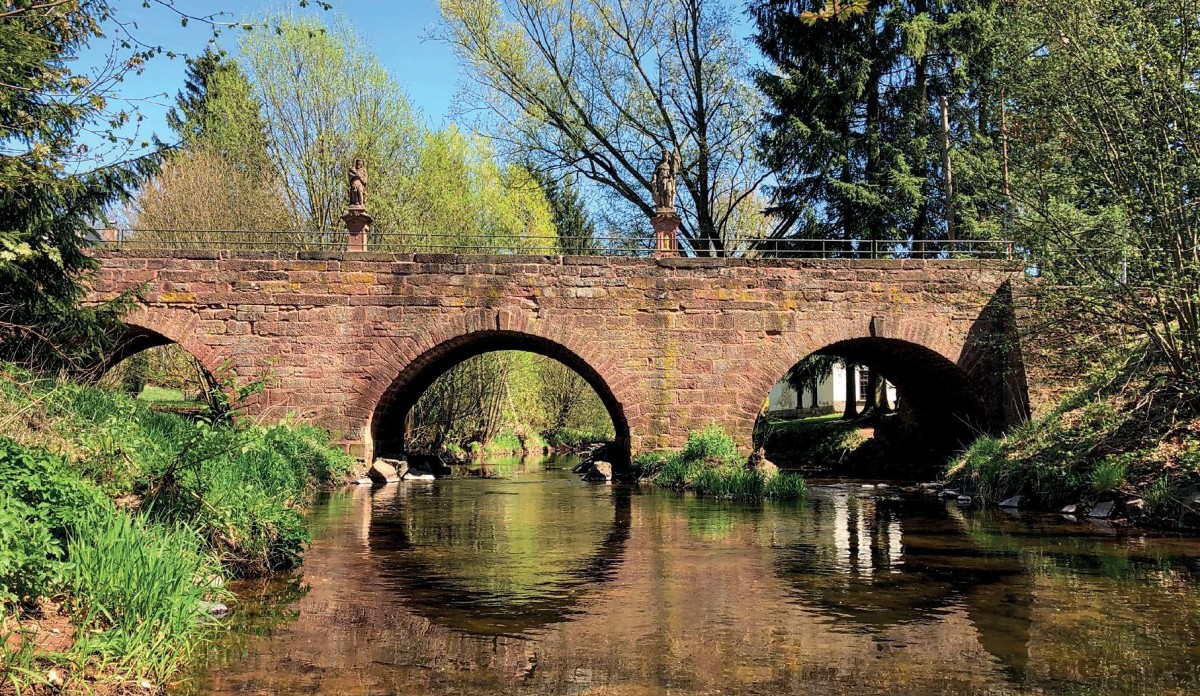
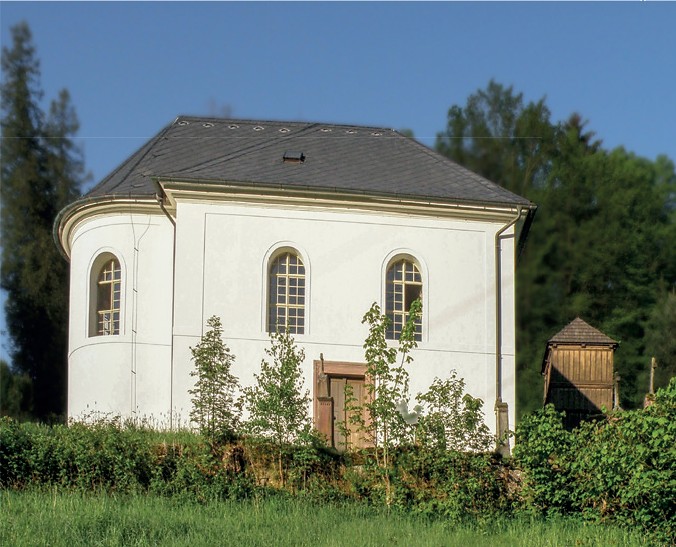
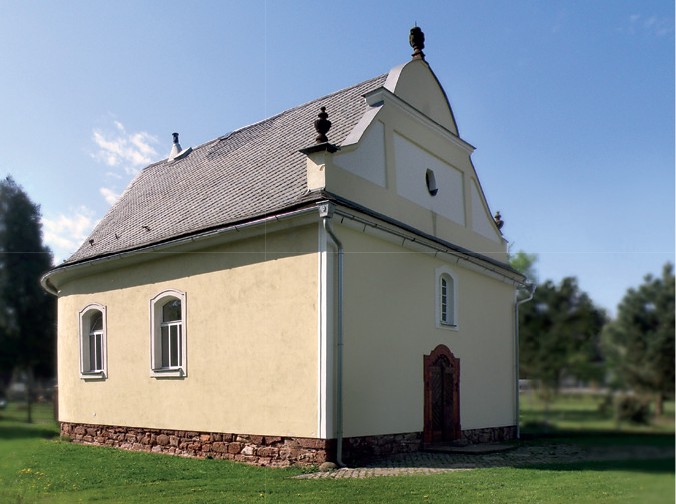
It is first mentioned in 1322, and the Catholic St. George’s Church stood there in 1361. Following the issue of the patent of tolerance in 1781, a congregation of the Evangelical Reformed Church was established in Libštát, which built its own church a few years later (1786) and established a cemetery. The evangelicals of the Augsburg faith also built a prayer hall in the village, but not until 1842. Places of interest in Libštát also include the stone bridge over the Oleška River, built in 1822 and decorated with sculptures, as well as the Baroque Marian statue on the square and the wooden building of the former school from 1781.
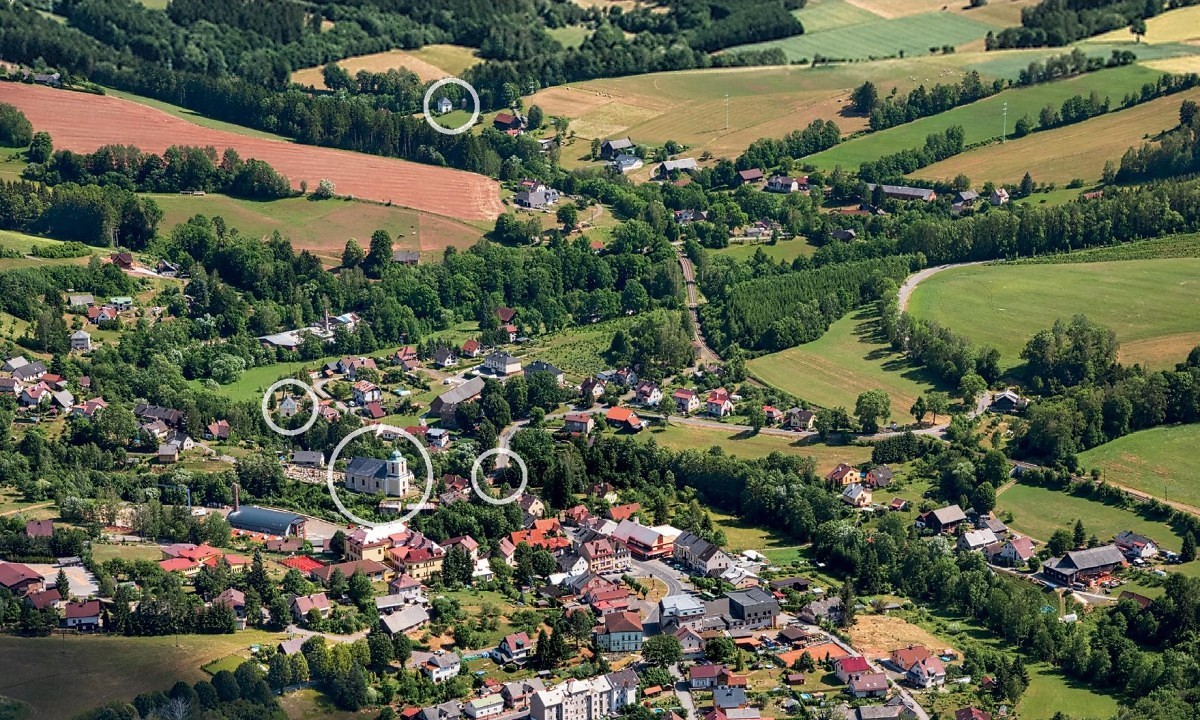
The inhabitants of the village used to earn their livelihood through farming, weaving and, to a lesser extent, trade. A mechanical weaving mill was built in 1887, the first of its kind in Bohemia, followed by a machine shop and a circular brickyard in 1905. Before the First World War Libštát was home to 1 760 inhabitants; in 2022 there were 950 people living there.
The red footpath markers lead through the village, towards Jilemnice and on to the Giant Mountains and the source of the Elbe. There are also biking routes running through Libštát, linking the villages in the microregion and local cycling and hiking circuits with wonderful views. In clear weather you can see Kozákov, Tábor and the ruins of the castles of Kumburk and Bradlec, as well as Ještěd; you can also take in almost the entire panorama of the Giant Mountains.
Libštát, churches and other monuments
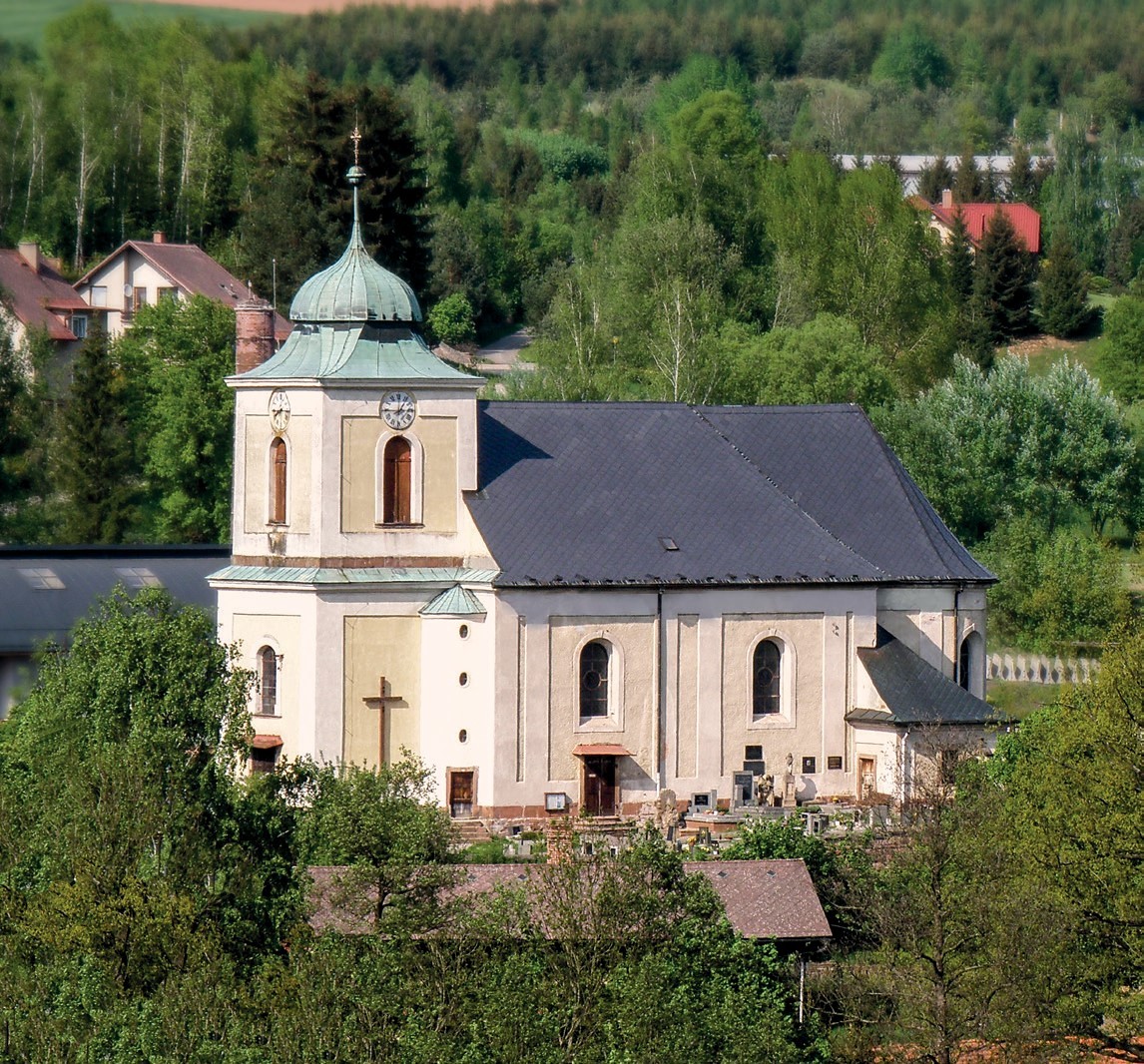
St. George’s Church in Libštát is mentioned as early as in 1361. In 1787–1789 the original wooden building was replaced by a stone church in the Late Baroque style. The single-nave layout with its semi-circular presbytery is vaulted with clapboards. A prismatic tower stands in front of the western facade. Most of the fixtures also mostly date from the end of the 18th century, and the walls were decorated in 1961. The picture of St. George on the main altar was created in 1851 by the Czech painter Josef Vojtěch Hellich.
The original Catholic rectory from 1722 was replaced by the current building in 1901. Next to the church staircase stands the building of Libštát's first school from 1781. From there, the road leads across the Oleška via a stone bridge that dates from 1822. It has three regular arches with a span of six metres, a low parapet wall, and connects with a smaller single-arched bridge. The protected monument is adorned with Baroque statues of St. John of Nepomuk and St. Wenceslas from the end of the 18th century.
Follow the road left the bridge to the first tolerance church is the rectory, which was built in 1786 by believers of the Helvetic faith (Calvinists) as a single-nave flat-ceilinged prayer hall. Today, the rectory contains an altarpiece depicting the Ascension, originally painted in 1888 by the Slovak painter Cyril Kutlík for the Evangelical chapel in Spálov.
The second evangelical church is situated at what is known as Hoření Konec and was built in 1838–1842 by followers of the Augsburg faith, with a wooden bell tower later added. The Augsburg rectory was built on square in Libštát (at no. 35). Since 1918, both tolerance churches have been managed by the Czech Brethren Evangelical Church.
Libštát is the only village in Bohemia and Moravia that has two tolerance churches as well as a Catholic church. These monuments still bear witness to the unique history of our village in the foothills of the Giant Mountains.