Loučky

Loučky was likely founded by loggers or charcoal burners, as the term “loučka” once referred to a cleared pine forest. Among the first owners of Loučky was Vok of Rotštejn, son of Jaroslav of Hruštice of the Markvartice family, who founded the town of Turnov and Valdštejn Castle. However, the first written mention of the village dates back only to 1499. In 1514, Jindřich Šťastný of Valdštejn acquired Loučky along with the entire Maloskalsko estate. In 1538, Jan of Vartemberk became the new lord; his entire estate was confiscated in 1623 by Albrecht of Valdštejn. After Wallenstein’s death in 1634, Mikuláš Desfours became the owner of Loučky, and his descendants owned the estate until the mid-19th century. Loučky became an independent village after 1850.
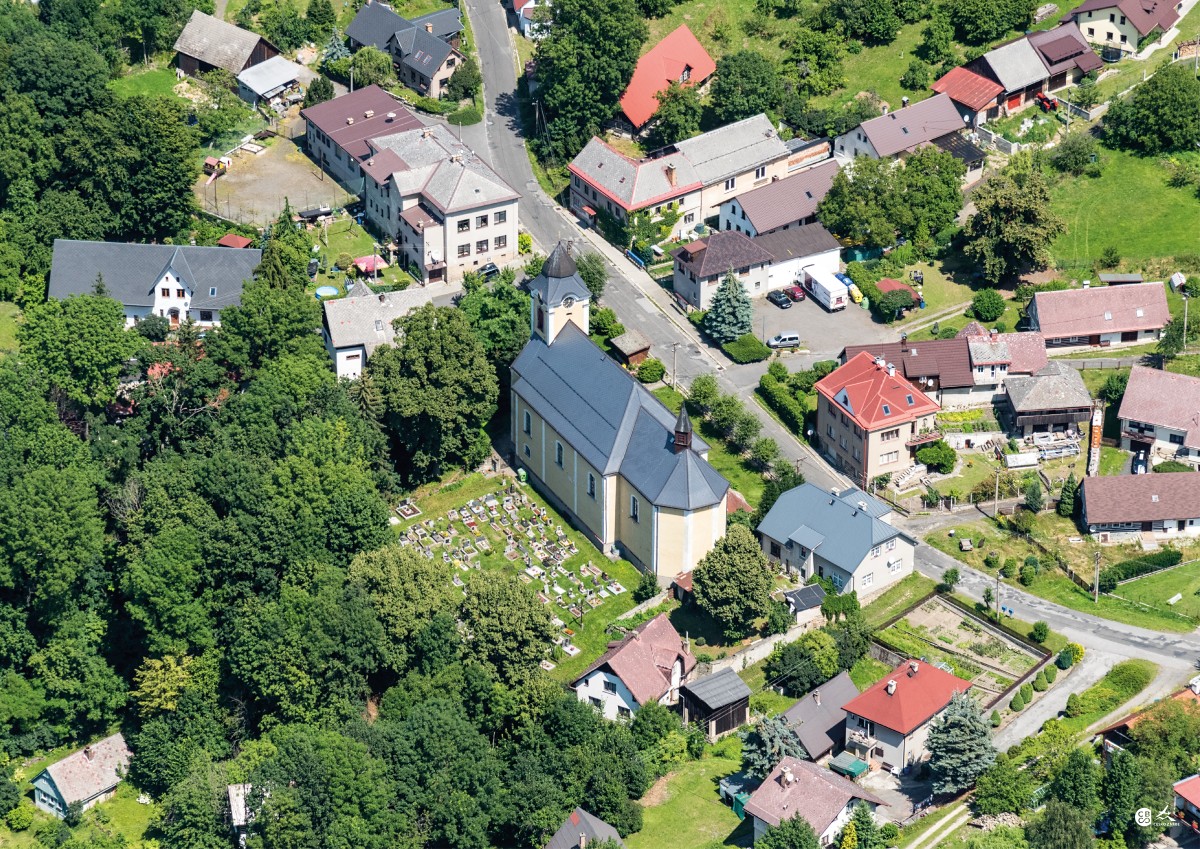
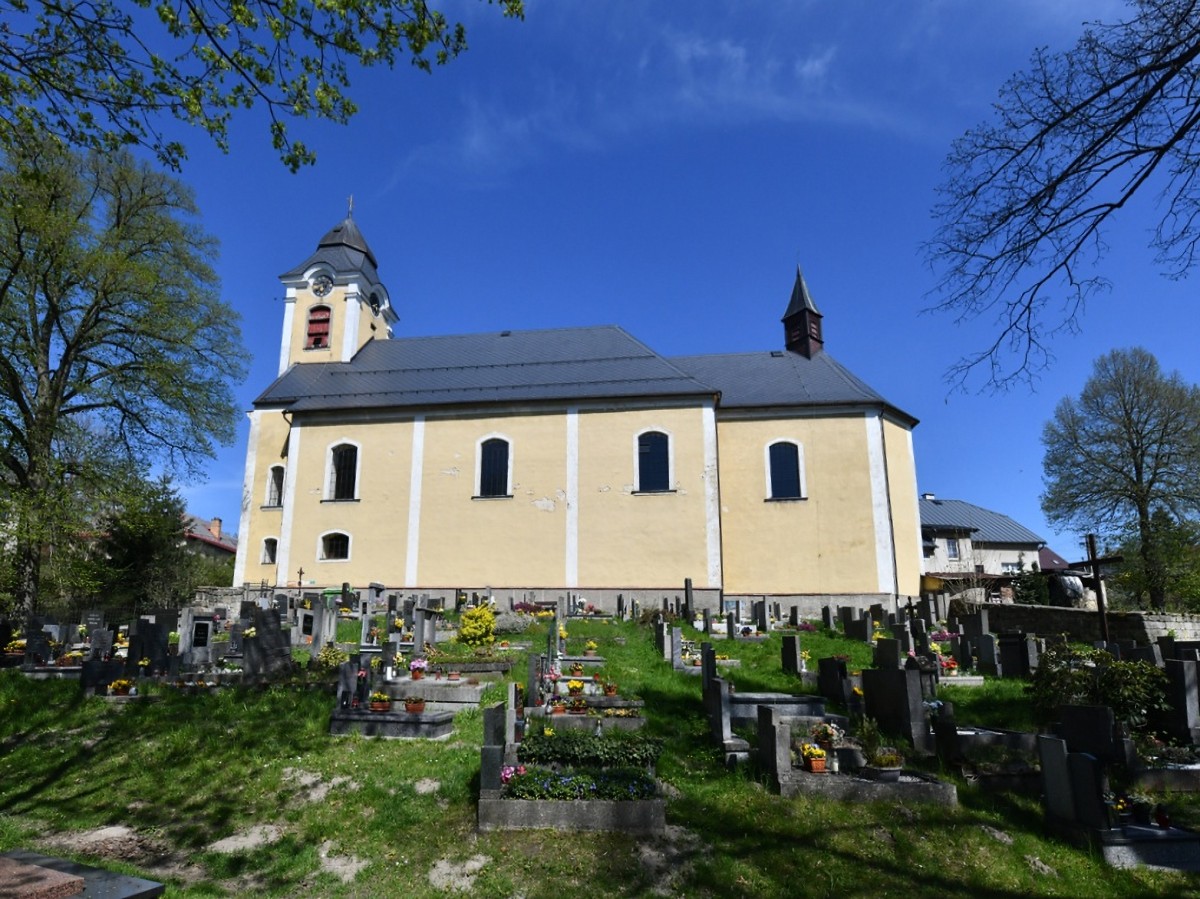
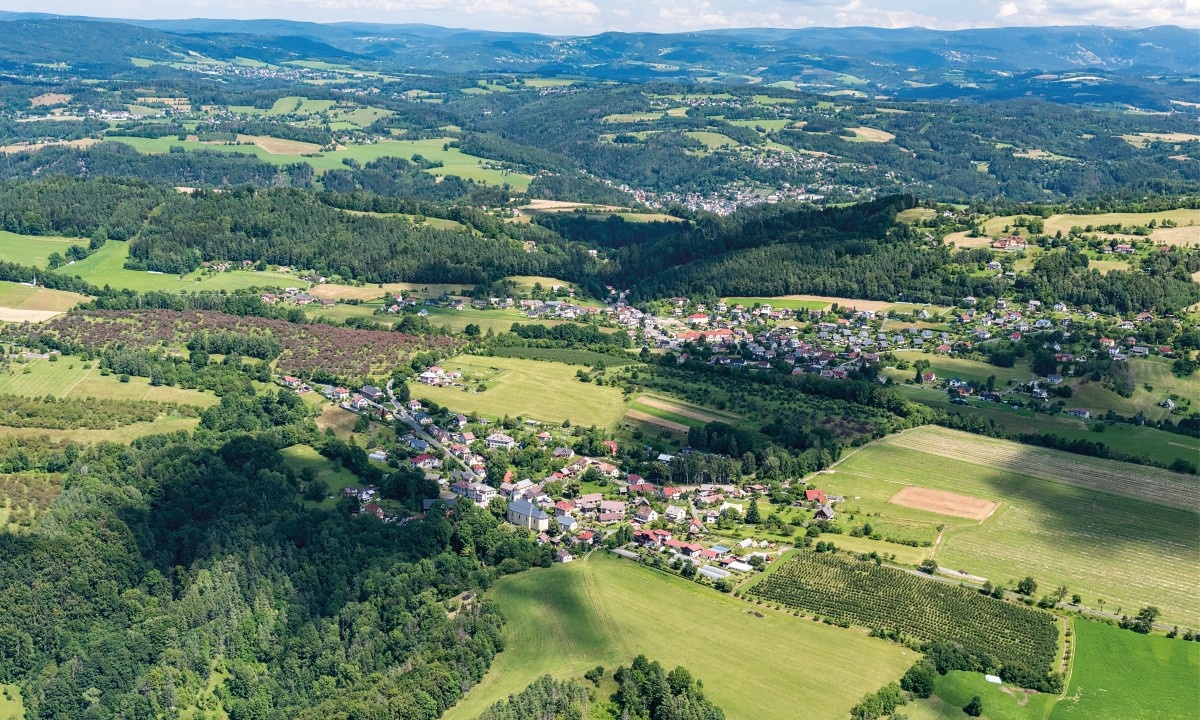
The village is dominated by the late Baroque Church of St. Anthony of Padua, founded in 1787. According to local legend, it was commissioned by Countess Antonie Desfours, who wanted it to serve as a landmark visible from the windows of her castle in Hruborohozec.
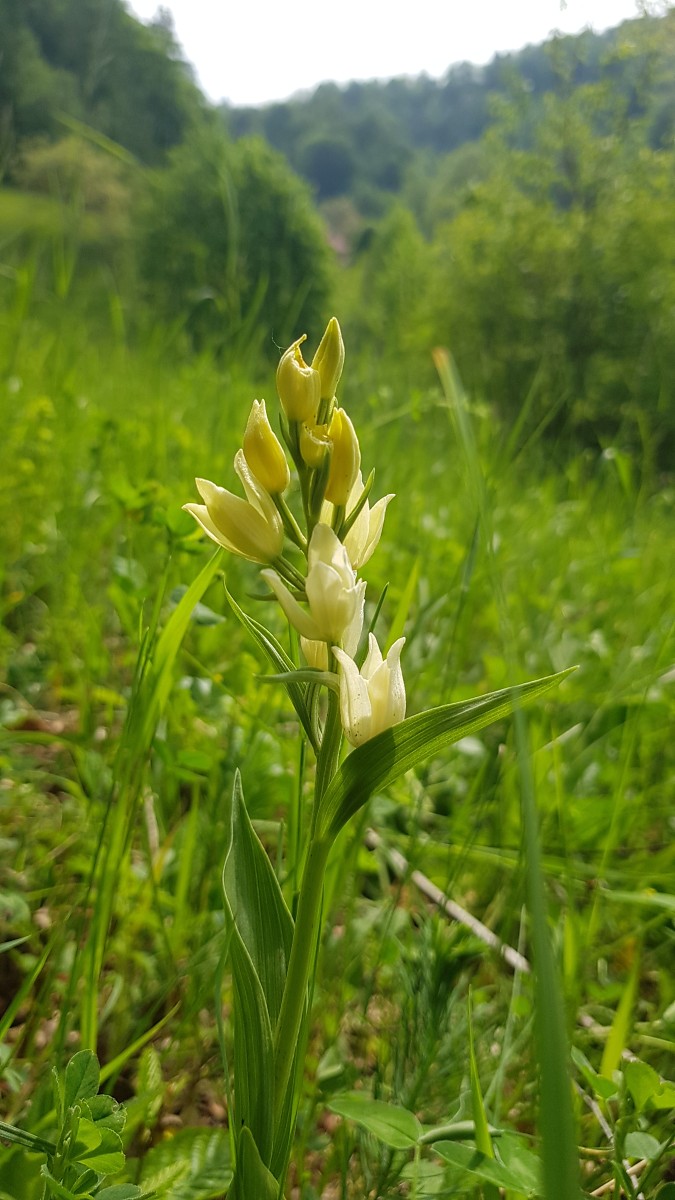
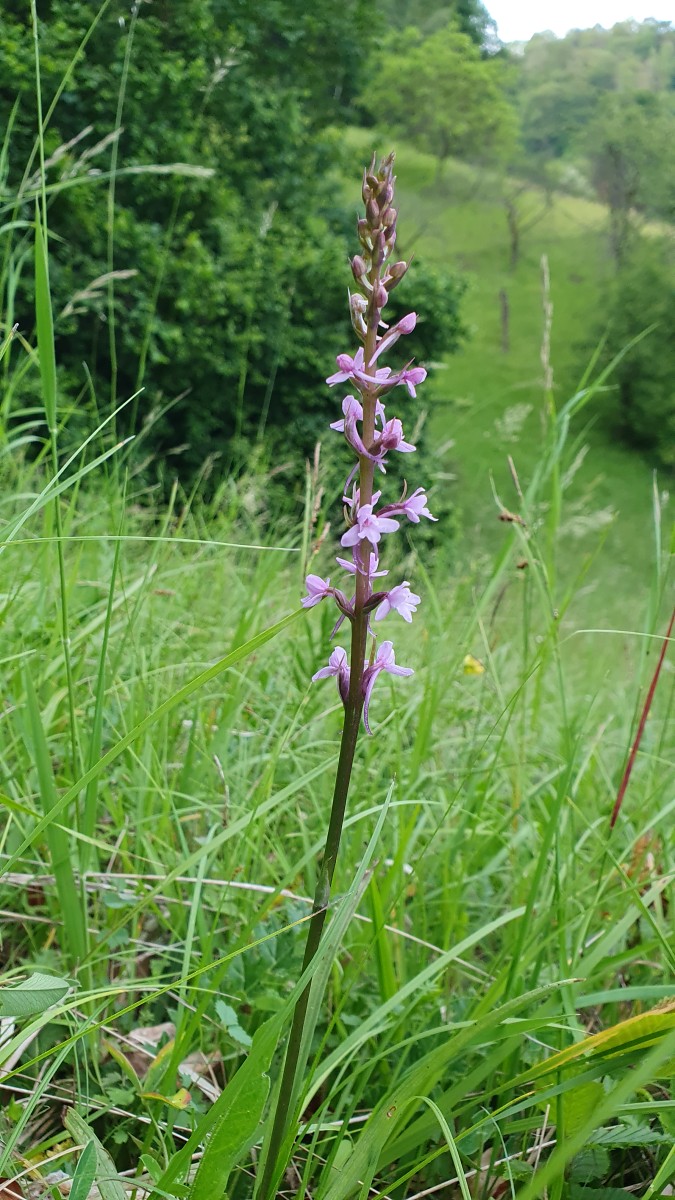
The Podloučky site, located within the village’s cadastral area, was designated a nature reserve in 2010. It is the second-richest natural site in the entire Bohemian Paradise—home to eight species of strictly protected plants, more than twenty species of animals, and five species of specially protected fungi. A protected small-leaved lime tree stands along the path to Podloučky.
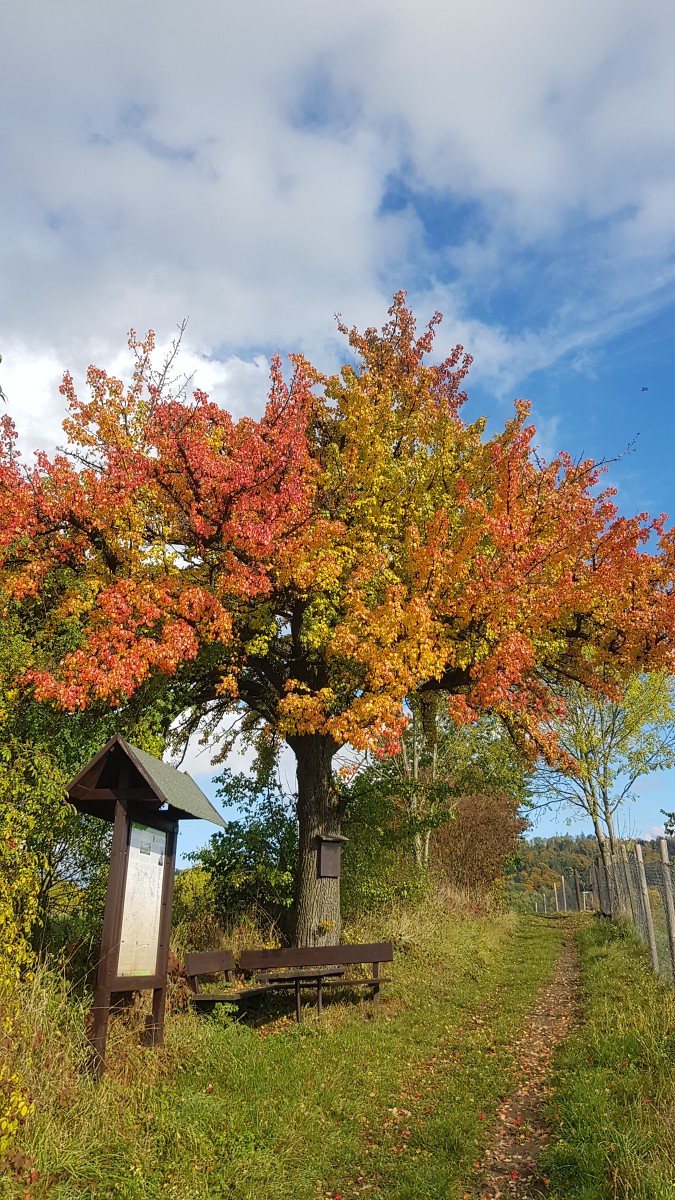
The second memorable tree in the municipality, a wild pear tree, grows along the trail to Fialník. It was designated a memorable tree in 2023 because it is a prominent landmark in the landscape. Thanks to its location and the picturesque arrangement of its crown, it is both aesthetically and ecologically valuable. Its estimated age is one hundred years.
On the southern edge of the village lies the most significant site of Middle Turonian fossils in Bohemia.
Green cycling route No. 4099 from Malá Skála to Chutnovka and the blue hiking trail from Malá Skála to Rotštejn pass through the village.