Paceřice: Folk architecture

Paceřice is first mentioned in the sources in 1543 and now forms a single municipality with the village of Husa. In the village important personalities of cultural and artistic life were born and worked. The municipality also stands out by several well-kept timbered houses.
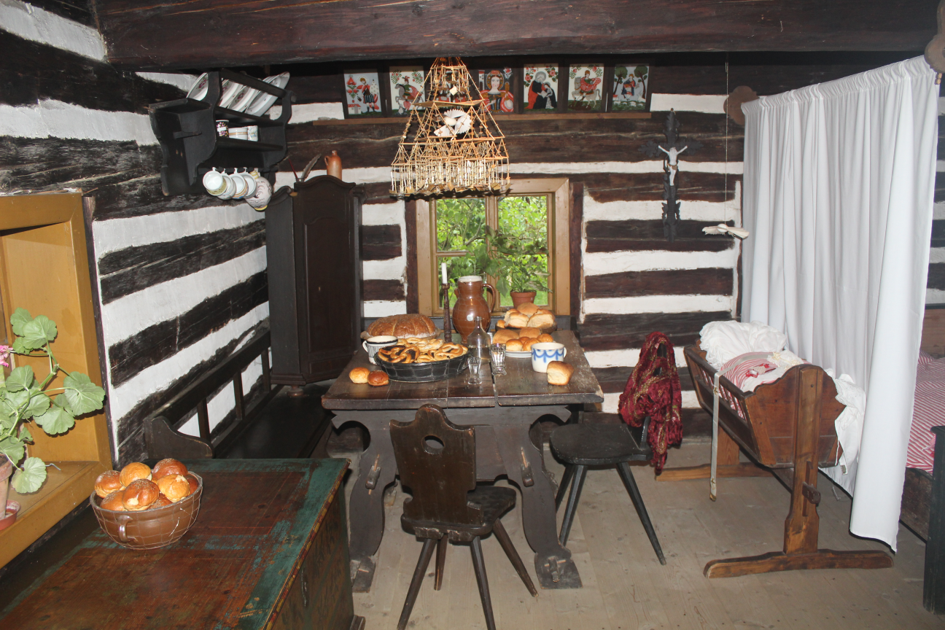
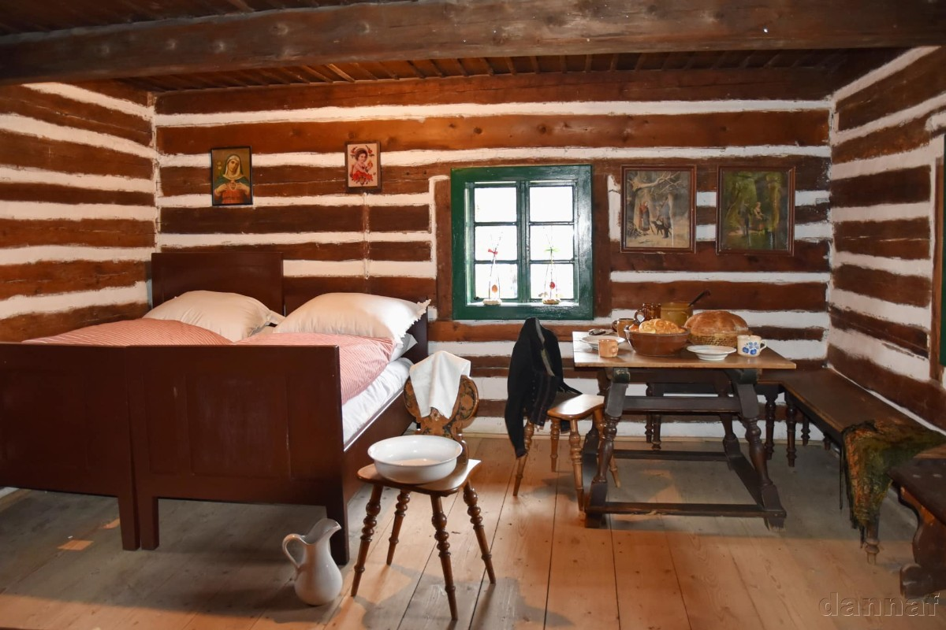
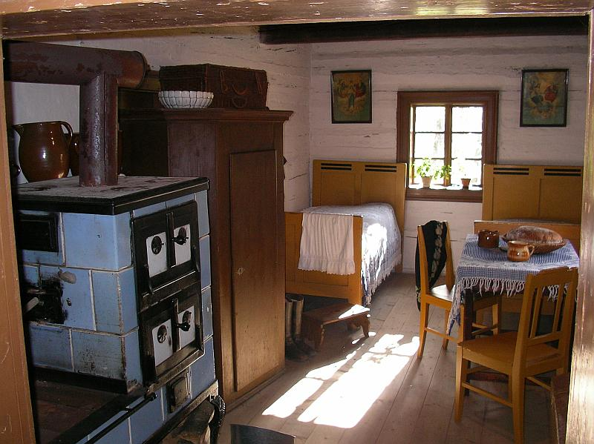
Paceřice – Folk buildings
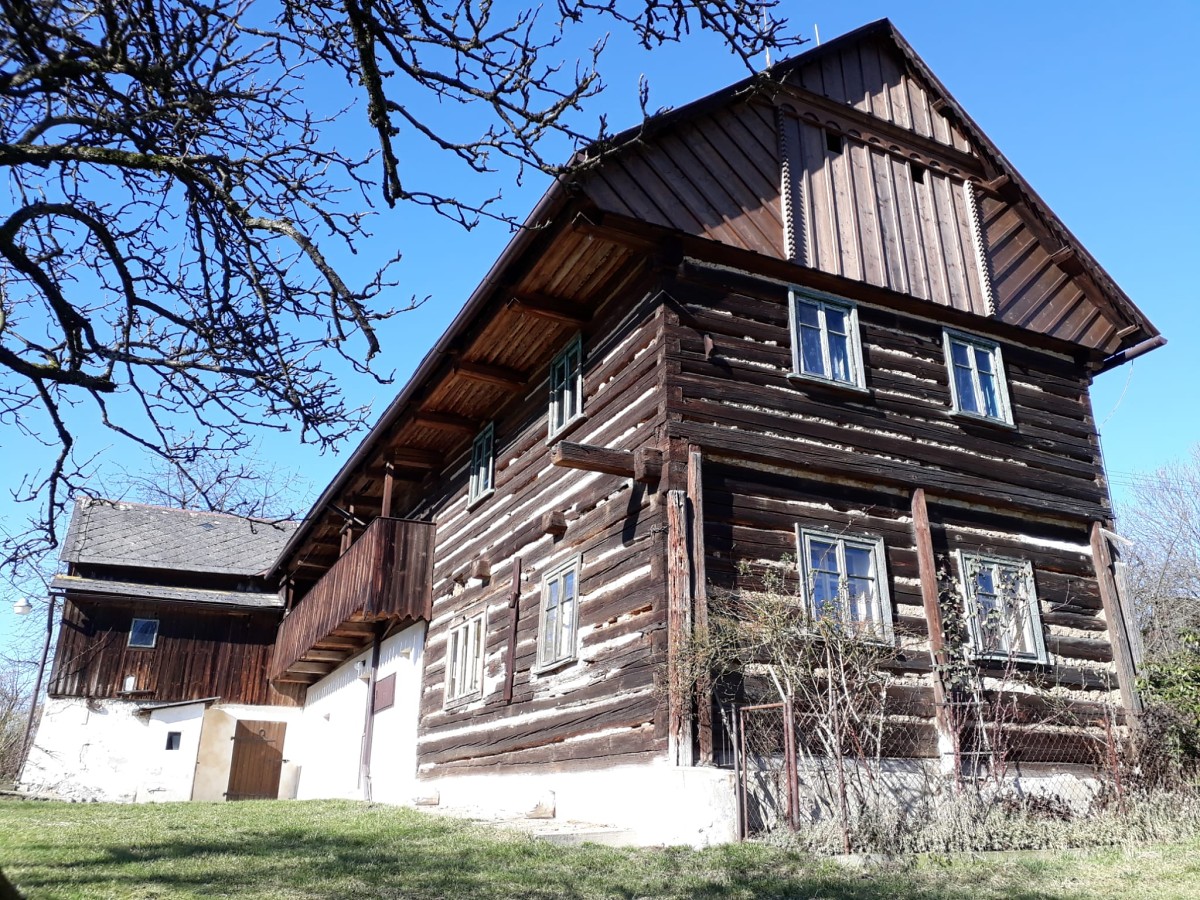
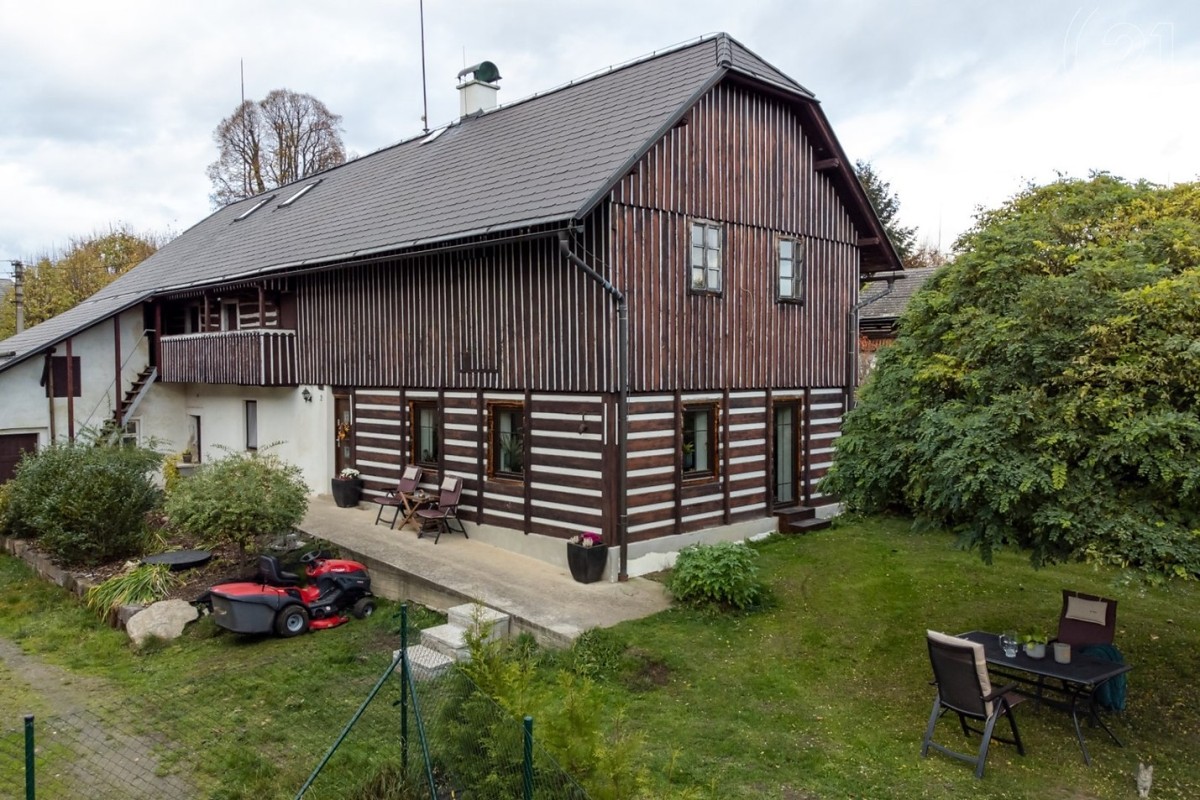
There are a number of original 19th-century timbered buildings in Paceřice that have been preserved to this day. These are long two-storey buildings with a gable roof, the ground floor of which contained a parlour, a hall, a dairy chamber and an annex with barns and stables; on the upper storey there were living quarters and premises for the owners’ parents. The first floor was reached via a wooden staircase, which opened out into the upper hall. From there was door onto the veranda, to the living quarters and also into another parlour, which was generally lit by vents and was often used as a granary. In some farmsteads, over time this was became a large room, lit by two windows in the gable wall, and house the owners’ parents or served as a bedroom for the farmer.
The veranda on the courtyard side of the house, which ran along the whole length or part of the upper storey, provided access to the first-floor rooms and was also used to dry laundry and store vegetables, herbs and spices. It was generally sheltered by an overhanging thatched or shingle roof. It formed a partially covered space along the side wall of the building, supported by ceiling joists extending beyond the face of the wall. The walls of the veranda could have been covered with wooden formwork with carved ledges. The posts of the veranda that supported the gable roof were also lavishly ornamented.
The two-storey buildings of wealthy famers formed regular courtyards. The gables of the houses always faced the public space.
These farmsteads usually also included large barns, consisting of timbered or boarded walls with open joints between the beams. They were built on a rectangular ground plan with a passage running across. The roofs of the barns were gabled and had similar roofs as those on the residential houses. Another very common type of farm building was the granary, generally set apart within the garden. It was used to store grain, various supplies or agricultural tools, and often served a room for the extended family. Alongside the group of farm buildings were sheds, barns, rabbit hutches, pigeon houses, chicken coops, fruit dryers and other small buildings.