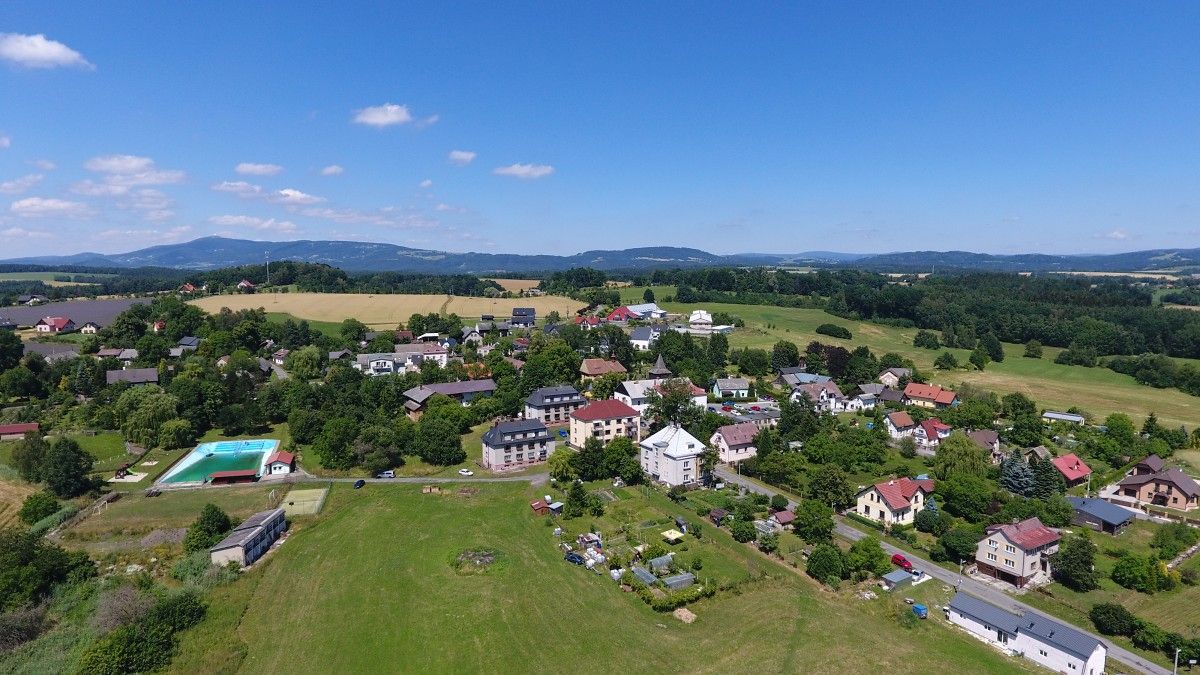
Vlastibořice

Archaeological finds show that Vlastibořice is one of the oldest settlements in the region. The occasional hunter used to come to the area back in Neolithic times, and it has been permanently settled since the second millennium BC. People from the Urnfield culture and the Slovak people of the Hillfort culture appeared here in the first millennium.
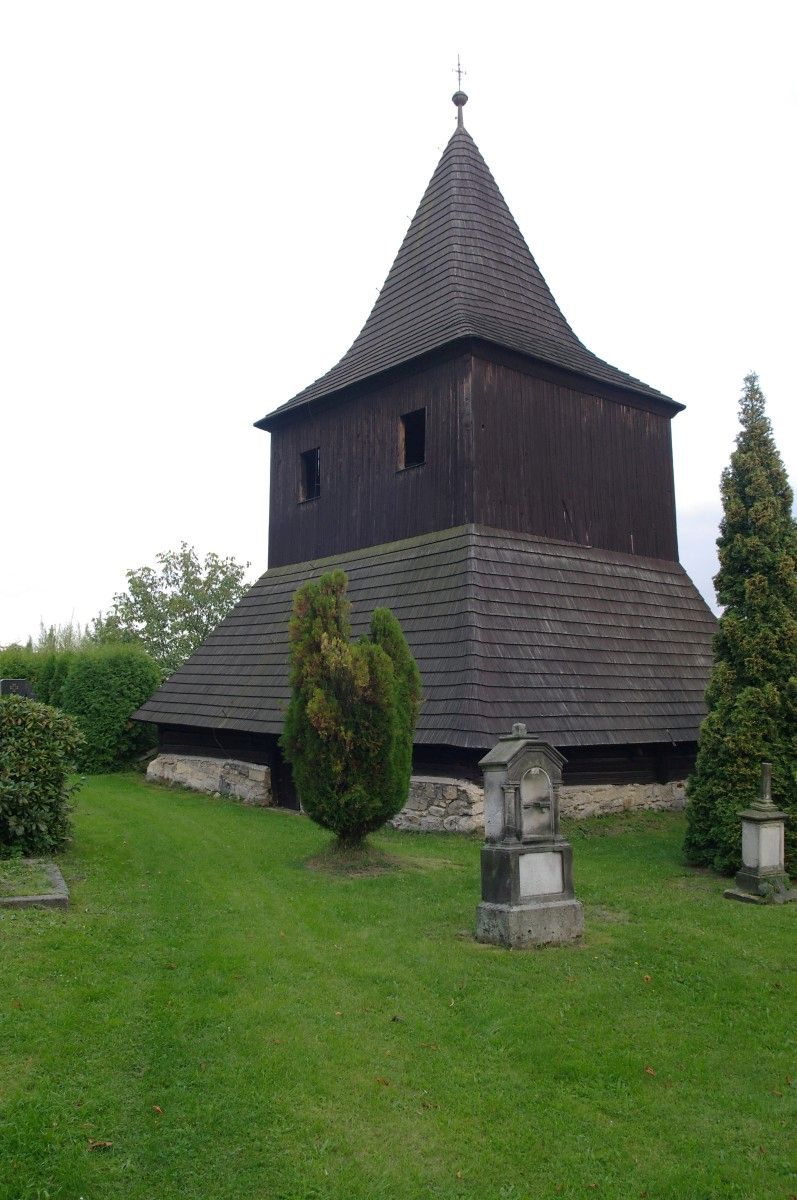
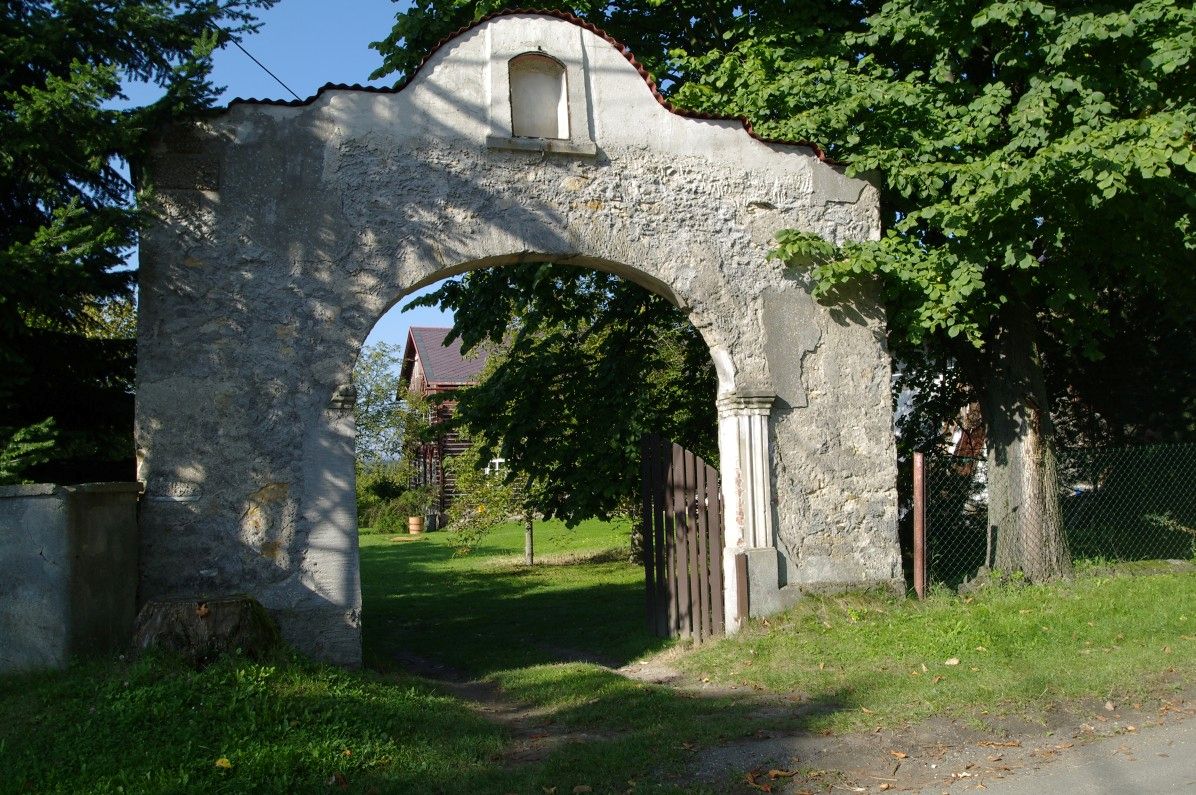
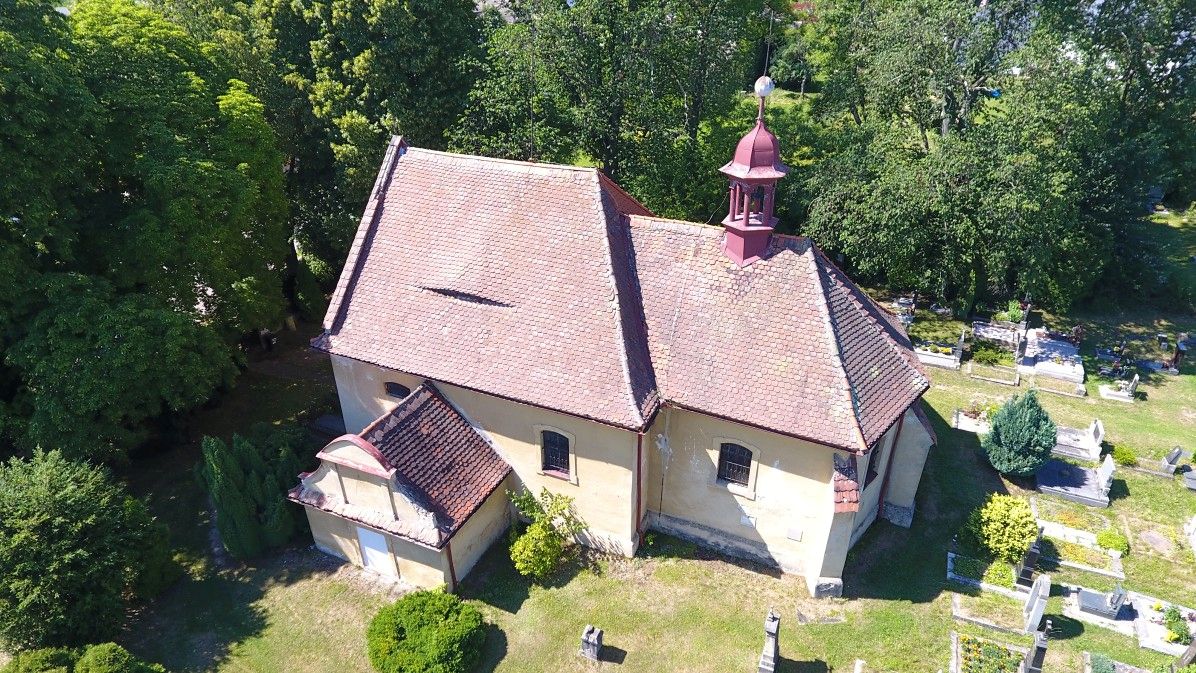
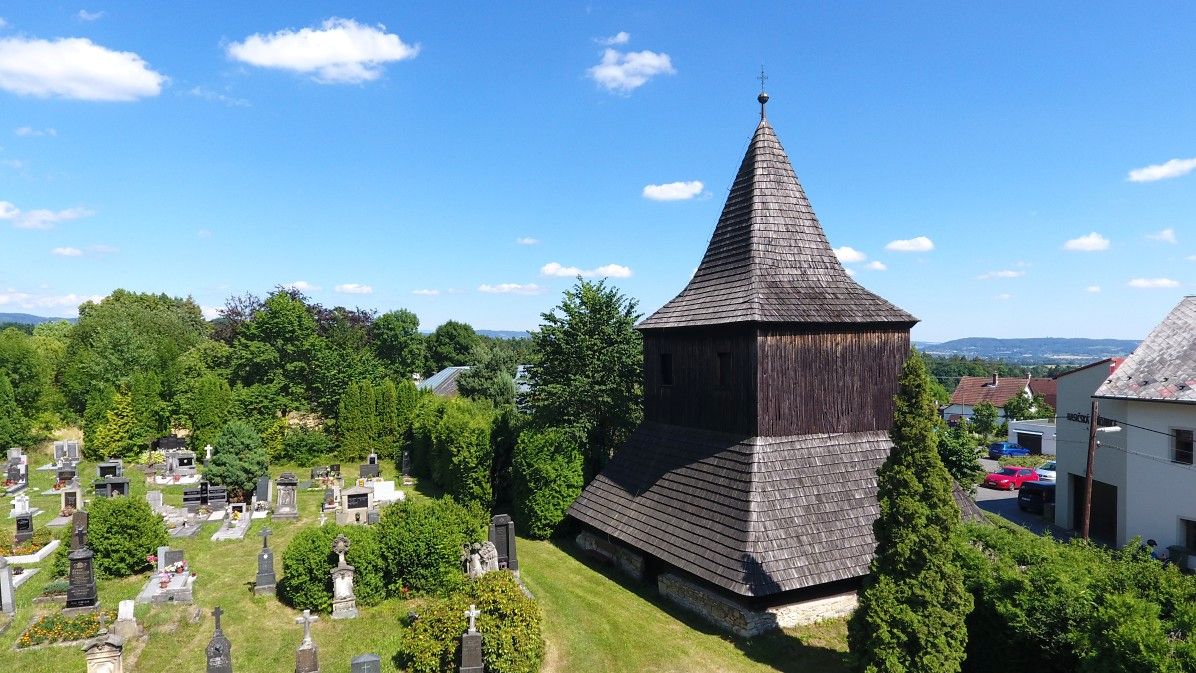
Vlastibořice was a yeoman's residence with a fortress, first documented in 1357. The local yeoman was apparently also the builder of the village's originally Romanesque Church of St. Catherine of Alexandria. However, it got its present look during the Baroque reconstruction work carried out in the mid-18th century. The church’s interior fixtures were also acquired at the same time, and are still preserved today. The Stations of the Cross and other sculptures were created a hundred years later by the sculptor Petr Bušek, famous for his wood carvings at nearby Sychrov Chateau. Above the church's main portal you can see the coat-of-arms of the Rohan family, to whose Sychrov estate Vlastibořice belonged. The church is surrounded by a wooden fence. Inside, not only is there a cemetery with many valuable stone tombstones (including those of the sculptor Bušek's family), but you'll also find a sprawling wooden bell tower from the 17th century and a brick ossuary dating from the 18th century. It contains the bones of around 140 local residents who died during the plague epidemic in 1771.
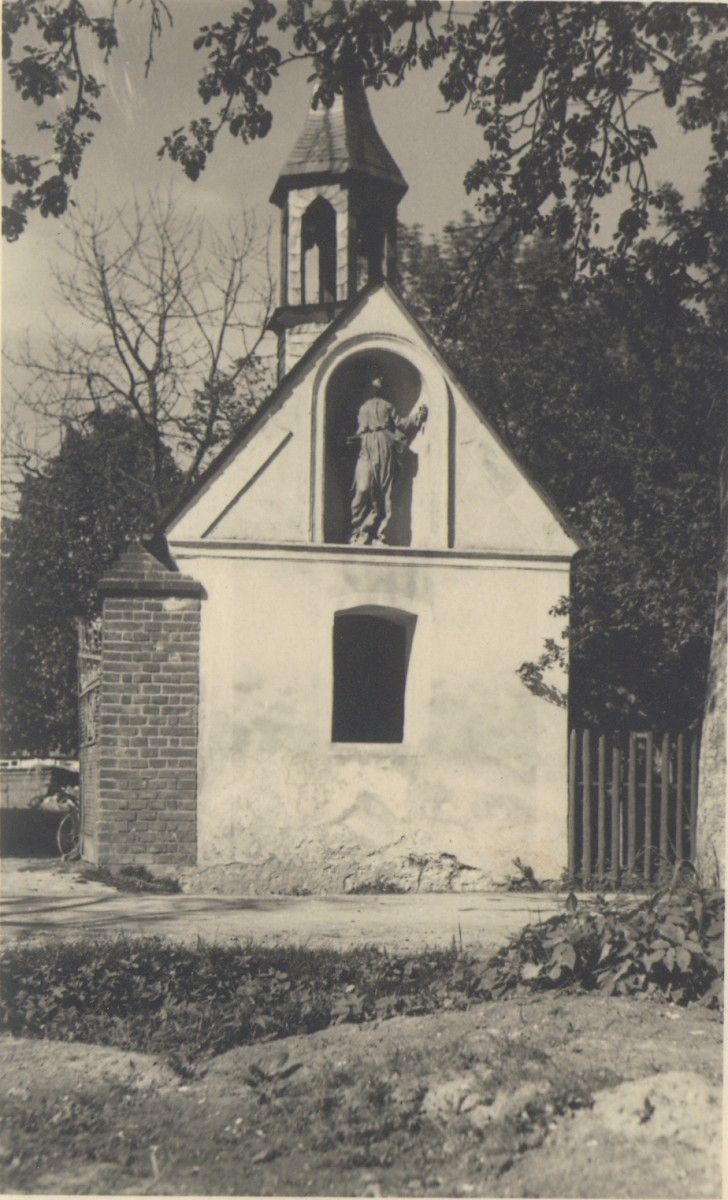
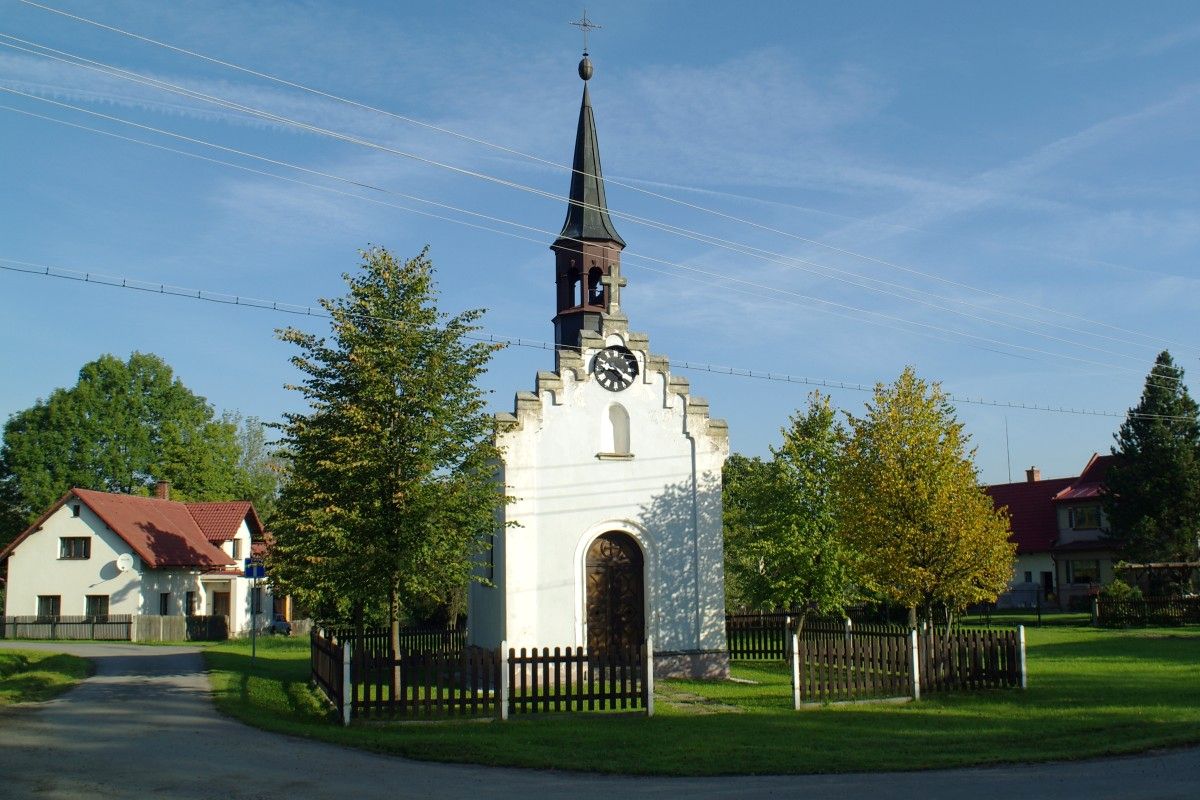
Standing on the village green there is a Baroque statue of St. John of Nepomuk, and a statue of the Virgin Mary by the road on the southern edge of the village.
U Křížku
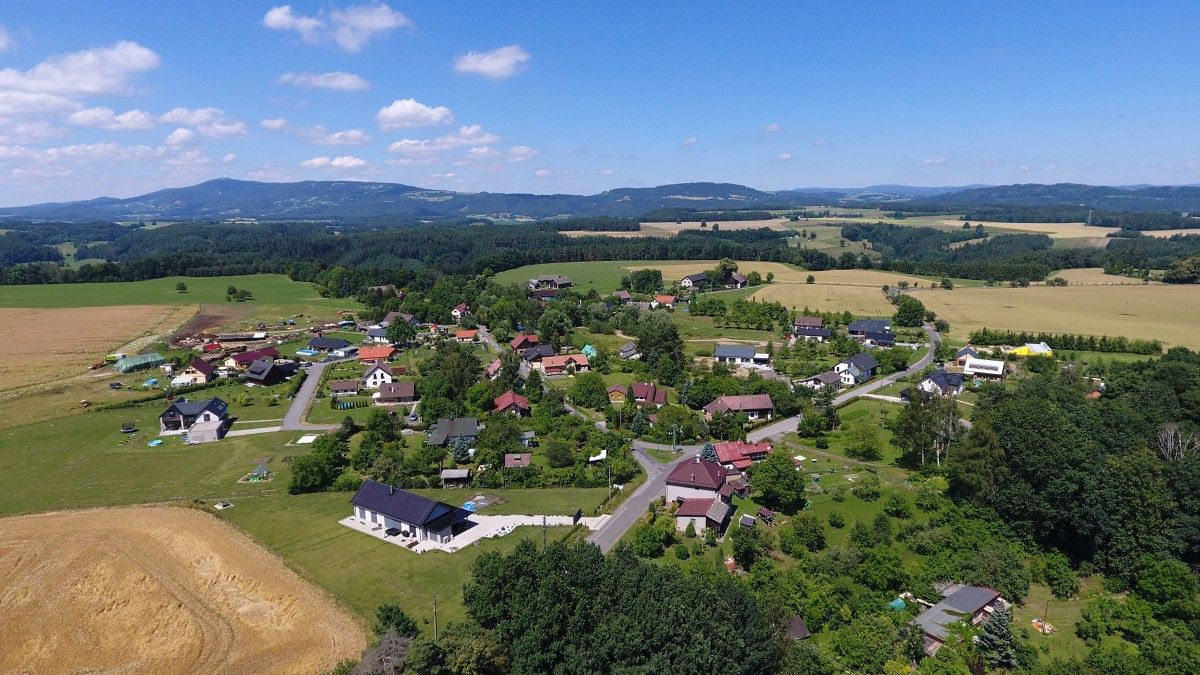
In a place that the locals call U Křížku (At the Cross), at the height of 392 m a.s.l. you can enjoy some beautiful views of the surrounding area. You can continue either on foot following the blue markers to the fairy-tale chateau of Sychrov, or take one of the two cycling trails. Number 3049 links Turnov and Český Dub, while route 3044 goes along the ridges between Jablonec nad Nisou and Mohelnice nad Jizerou. Nearby you can find Vlastibořice and its districts Jivina and Sedlíšťka, in which a number of timbered buildings have been preserved.
The nearby hill with its mast is Kamenec (412 m a.s.l.); towards the NNE you can see the village of Vrchovina and Kostelní vrch hill (456 m a.s.l.), below which small sports planes, gliders and hang gliders take off from the airfield at Hodkovice nad Mohelkou. Towards the NE you can see Kopanina hill (657 m a.s.l.) and the castle of Frýdštejn, while Kozákov (744 m a.s.l.), the mountain that guards the Bohemian Paradise, lies to the east; in the SE you can see the distinctive silhouette of Trosky castle (489 m a.s.l.). If you cross a short way along the road towards Sychrov, you’ll see Javorník to the north, from which the ridge rises to the dominant landmark of this region, Ještěd (1012 m a.s.l.). Turnov and the Hrubá Skála rock town lie to the SSE. To the south you’ll get a glimpse of the little church in Všeň, as well as two volcanic hills, Vyskeř (466 m a.s.l.) and Mužský (463 m a.s.l.), and below Mužský the sandstone walls of Drábské světničky. Towards the SSW the former volcanic chimney of Káčov with its transmitter (351 m a.s.l.) rises up from the Jizera floodplain. To the west you can see the silhouette of Bezděz (606 m a.s.l.) and Ralsko hill (696 m a.s.l.).